Pool Heater Installation Benefits for Northern Virginia Homeowners

Pool Heater Installation

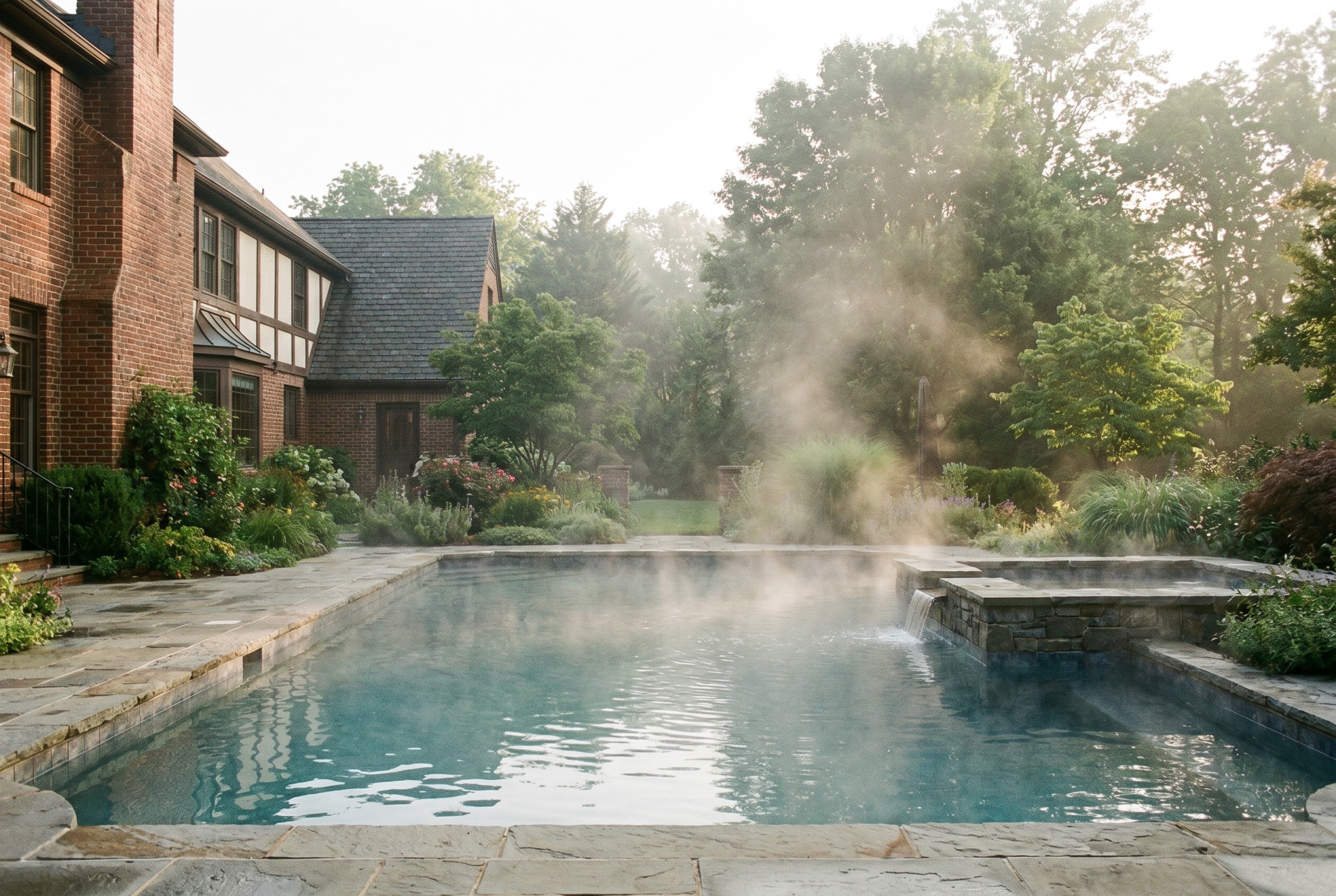
Pool heater installation can make a major difference in how often Northern Virginia homeowners are able to enjoy their pools. In this region, pool season often feels shorter than it should. Spring can be slow to warm up, early fall evenings can cool quickly, and even a beautiful pool may go unused when the water temperature is uncomfortable.

A properly selected pool heater gives homeowners more control over their backyard. Instead of waiting for several weeks of warm weather before the pool feels inviting, a heating system can help make the water comfortable earlier in spring, later into fall, and during cooler stretches of summer.

For many homeowners in McLean, Great Falls, Vienna, Oakton, Arlington, and surrounding Fairfax County communities, the question is not just whether a heater can warm the pool. The better question is whether the right heating system can make the pool more usable, more reliable, and better matched to the way the family actually uses the space.

Why Pool Temperature Matters More Than Homeowners Realize

Clear water and beautiful surroundings are important, but comfort often determines whether a pool gets used. A pool can look perfect and still sit empty if the water feels too cold for morning swims, evening use, young children, guests, or older family members.

Northern Virginia’s climate adds to that challenge. Warm afternoons may be followed by cooler nights, especially in spring and fall. Shaded properties, wooded lots, and pools surrounded by mature landscaping may also warm more slowly than open, sunny pools. Even during summer, heavy rain and cloudy weather can bring the water temperature down enough to interrupt regular use.

A swimming pool heater helps reduce that guesswork. Homeowners can plan gatherings, swim after work, or enjoy a more comfortable weekend without depending entirely on several days of perfect weather.

The Main Benefits of Pool Heater Installation

The most obvious benefit of pool heater installation is a longer swimming season. In Northern Virginia, that can mean opening the pool with more confidence in spring and continuing to enjoy it into the fall when daytime temperatures are still pleasant but the water no longer stays warm on its own.

A heater can also improve everyday comfort. Many families find that a pool gets used more often when the water temperature is predictable. Children may stay in longer, guests may feel more comfortable, and homeowners may be more likely to use the pool for exercise or relaxation instead of waiting for the hottest part of the day.

There is also a lifestyle benefit. A pool is a significant investment in the home. If cold water limits its use to only the warmest weeks of the year, the homeowner may not be getting the full value from that investment. A properly installed heating system helps make the pool feel less seasonal and more like a dependable part of the outdoor living space.

Choosing the Right Pool Heating System

There are several ways to heat a pool, and the right choice depends on the property, pool size, usage habits, budget, and performance expectations. Common options include gas pool heaters, electric heat pumps, and in some cases solar-assisted heating systems.

Gas heaters are often valued for speed. They can raise water temperature quickly, which may be helpful for homeowners who use the pool occasionally or want fast heating before a weekend gathering. Heat pumps usually work more gradually, but they can be efficient for maintaining comfortable water temperatures over time, especially when air temperatures are mild.

The U.S. Department of Energy notes that pool heating can consume a lot of energy and that homeowners can improve efficiency by choosing an efficient pool heater and reducing heating costs through proper operation and maintenance. Homeowners can read more from the Department of Energy’s swimming pool heating and maintenance guidance.

For homeowners considering a new heater, McLean Pool & Spa can evaluate how the pool is currently used, how quickly the water needs to heat, and what type of system makes the most sense. In some cases, a heater may also pair well with broader pool equipment upgrades, such as updated controls, automation, or more efficient circulation equipment.

Warning Signs Your Current Pool Heater May Need Attention

Some homeowners already have a pool heater, but it may not be performing the way it should. A heater that struggles to reach the set temperature, shuts off unexpectedly, makes unusual noises, shows error codes, or takes much longer than usual to warm the water should be inspected.

Other warning signs can be easier to miss. Rising energy costs, inconsistent water temperature, corrosion around equipment, poor water flow, or frequent service calls may all point to a heater that is aging, improperly sized, or affected by another equipment issue.

Pool heaters depend on proper circulation, clean filters, balanced water chemistry, and safe equipment operation. If the pump, filter, plumbing, or controls are not working correctly, the heater may not perform well either. That is why heater concerns should be evaluated as part of the entire pool system, not as an isolated box on the equipment pad.

How Pool Maintenance Supports Heater Performance

A pool heater works best when the rest of the pool is properly maintained. Poor water chemistry can contribute to scaling, corrosion, and reduced equipment life. Restricted flow from dirty filters, clogged baskets, or circulation problems can also interfere with heater operation.

Regular pool maintenance helps protect the heater by keeping water balanced, debris under control, and equipment issues easier to catch early. This is especially important in Northern Virginia, where spring pollen, summer storms, heavy tree cover, and fall leaves can all increase the workload on the pool system.

Seasonal service matters as well. During a spring pool opening, the heater and related equipment should be checked before the pool is used heavily. If the system has sat through winter, early inspection can help identify ignition problems, flow issues, leaks, or other concerns before the homeowner is depending on the heater for regular use.

Is Pool Heater Installation Worth It?

For many Northern Virginia homeowners, pool heater installation is worth considering if the pool feels underused because of cold water. It can be especially valuable for families who want to swim earlier in spring, continue later into fall, entertain more comfortably, or use the pool for fitness and relaxation outside the hottest part of summer.

The value depends on choosing the right system. A heater should be sized correctly, installed properly, and matched to the pool’s plumbing, equipment, and usage patterns. A system that is too small may struggle to keep up. A system that is poorly installed may create frustration instead of comfort.

McLean Pool & Spa helps homeowners evaluate their current equipment, compare heating options, and determine whether a pool heater is the right upgrade. If you are ready to make your pool more comfortable and usable throughout more of the year, contact McLean Pool & Spa to discuss your options.

FAQ

Does a pool heater extend the swimming season in Northern Virginia?

Yes. A pool heater can help homeowners use their pools earlier in spring and later into fall by keeping the water at a more comfortable temperature during cooler weather.

What type of pool heater is best?

The best pool heater depends on how quickly you want the water heated, how often you use the pool, your energy preferences, pool size, and existing equipment. Gas heaters and heat pumps each have different advantages.

Can a pool heater be added to an existing pool?

In many cases, yes. A professional should evaluate the pool’s plumbing, electrical or gas access, equipment pad, pump, filter, and controls before recommending the right heating system.

Does a pool heater need maintenance?

Yes. A pool heater should be inspected regularly, and the pool should be kept properly balanced and filtered. Good water chemistry and circulation help protect heater performance and equipment life.

Saltwater Pool Conversion: Is It Worth It for Your Northern Virginia Pool?

Saltwater Pool Conversion

A saltwater pool conversion can be an appealing upgrade for homeowners who want their pool water to feel smoother, smell less harsh, and require less hands-on chlorine handling during the swimming season. For many Northern Virginia homeowners, the idea sounds simple: convert the pool to saltwater and enjoy easier maintenance. The reality is still homeowner-friendly, but it is worth understanding what changes, what stays the same, and what the system needs to work properly.

Saltwater pools are often described as a gentler alternative to traditional chlorine pools. That description is partly true, but it can also be misunderstood. A saltwater pool is not chlorine-free. Instead, it uses a salt chlorine generator to produce chlorine from dissolved salt in the water. The pool still relies on chlorine for sanitation, but the system creates it steadily instead of requiring frequent manual chlorine additions.

For the right pool, this can be a practical and comfortable upgrade. The key is making sure the equipment is properly sized, installed, and maintained for the pool’s volume, usage, and local conditions.

How a Saltwater Pool System Works

A saltwater pool system uses a device called a salt chlorine generator. After salt is added to the pool water, that water passes through the generator’s salt cell. Inside the cell, an electrical process converts the dissolved salt into chlorine, which then sanitizes the pool water.

The Pool & Hot Tub Alliance explains salt chlorine generators as systems that generate sanitizer for pool water, reducing the need for routine manual chlorine additions when the system is properly sized and operating correctly.

From the homeowner’s perspective, the biggest difference is consistency. Rather than adding chlorine in larger doses, the system produces sanitizer gradually as the pool circulates. That steady production can help maintain more even sanitizer levels during normal use, though it does not eliminate the need for testing, balancing, or professional service.

Benefits of a Saltwater Pool Conversion

Many homeowners consider saltwater because of how the water feels. Saltwater pools often feel softer on the skin and eyes compared with traditional chlorine pools. They may also have less of the strong “chlorine smell” people associate with pool water, especially when the system is balanced correctly.

A saltwater pool conversion can also reduce the need to store and handle chlorine products at home. That convenience matters for busy homeowners who want their pool to be ready without constant chemical attention. It can be especially appealing in McLean, Great Falls, Vienna, Oakton, and Arlington, where many homeowners want a pool that fits smoothly into a busy lifestyle.

There may also be maintenance benefits. A properly operating saltwater pool system can help provide more consistent chlorination throughout the week. That steadier sanitizer production may help reduce the peaks and dips that sometimes happen when pool care is handled less frequently.

Still, saltwater does not turn a pool into a self-maintaining system. The water still needs to be tested, the salt level needs to be monitored, and the salt cell needs regular inspection and cleaning.

What Saltwater Pools Still Need

One of the most important things to understand before converting is that saltwater pools still require water chemistry management. Chlorine level, pH, alkalinity, calcium hardness, stabilizer, and salt levels all matter. If these drift too far, the pool can become uncomfortable, cloudy, corrosive, or prone to scaling.

The CDC’s home pool and hot tub water treatment guidance recommends maintaining proper pH and sanitizer levels to help keep pool water safe and comfortable.

Saltwater pool maintenance also includes caring for the salt cell itself. Over time, mineral scale can build up on the plates inside the cell, especially if water balance is neglected. When that happens, the system may produce less chlorine or trigger warning lights. Regular inspection helps keep the generator working efficiently and prevents small issues from turning into equipment problems.

McLean Pool & Spa provides pool maintenance services that can include water testing, chemical balancing, equipment checks, and ongoing recommendations for keeping the pool system in good condition.

Can Any Pool Be Converted to Saltwater?

Many existing chlorine pools can be converted to saltwater, but the right answer depends on the pool’s current condition and equipment. Before a chlorine pool to saltwater pool conversion, a professional should evaluate the pump, filter, heater, plumbing, automation system, pool surface, coping, and any attached spa or water features.

The salt chlorine generator needs to be sized correctly for the pool. An undersized system may struggle to keep up during hot weather, heavy use, or periods of intense sunlight. That matters in Northern Virginia, where humid summers, thunderstorms, pollen, and wooded lots can increase the organic load in the water.

Pool materials also deserve attention. Saltwater systems can work very well, but water balance matters. If chemistry is neglected, saltwater can contribute to corrosion or scaling issues around certain metals, stone, fixtures, or equipment components. The goal is not just to install the equipment, but to make sure the whole system is prepared for long-term performance.

If your pool equipment is already aging, unreliable, or inefficient, a saltwater conversion may be a good time to consider broader equipment upgrades, such as automation, pump improvements, or updated controls.

Warning Signs Your Saltwater System Needs Attention

If you already have a saltwater pool system, there are a few warning signs that something may need service. Cloudy water, recurring algae, low chlorine readings, salt level alerts, flow warnings, or a cell that frequently needs cleaning can all point to a system issue.

Some problems are simple, such as low salt, dirty filter cartridges, poor water flow, or a cell that needs cleaning. Others may involve a failing salt cell, control board issue, sensor problem, or circulation concern. Because the salt chlorine generator depends on proper flow and water balance, equipment issues elsewhere in the system can affect sanitizer production.

Homeowners should also pay attention to stains, scale, corrosion, unusual equipment noise, or changes in water feel. These signs do not always mean the salt system is the cause, but they are worth investigating before the issue grows.

Saltwater Pool Care in Northern Virginia

Northern Virginia pools face a wide range of seasonal conditions. Spring pollen can increase debris and organic material in the water. Summer heat and humidity can raise sanitizer demand. Wooded properties in McLean and Great Falls may see heavier leaf, acorn, and seed debris. Fall brings another surge of organic load, and winter freeze-thaw cycles can stress masonry, tile, coping, and plumbing if the pool is not properly prepared.

That means saltwater pool maintenance still needs to be seasonal. A salt system should be checked during opening, monitored during peak summer use, and properly addressed before winter. During startup, it is important to confirm that the equipment is operating correctly and that the water is balanced before relying on the salt chlorine generator for regular sanitizer production.

A professional pool opening service can help homeowners restart the pool properly in spring, inspect equipment, and identify issues before the season is fully underway.

Should You Convert Your Pool to Saltwater?

A saltwater pool conversion can be a smart upgrade for homeowners who want a more comfortable swimming experience and a more automated approach to chlorination. It can be especially worthwhile if your current pool equipment is in good condition, your pool receives regular maintenance, and you want to reduce the amount of manual chlorine handling required during the season.

It may not be the right move if the pool has unresolved equipment problems, poor circulation, aging components, or water balance issues that need to be corrected first. In those cases, the better first step is a professional evaluation. Once the pool system is stable, a saltwater conversion may fit naturally into a broader plan for easier, more efficient pool ownership.

If you are considering a saltwater pool conversion in Northern Virginia, McLean Pool & Spa can evaluate your current system, explain your options, and help you decide whether converting makes sense for your pool, equipment, and long-term maintenance goals.

To discuss saltwater systems, equipment upgrades, or seasonal pool care, contact McLean Pool & Spa today.

FAQ

Is a saltwater pool chlorine-free?

No. A saltwater pool still uses chlorine to sanitize the water. The difference is that a salt chlorine generator produces chlorine from dissolved salt in the pool water instead of relying only on manually added chlorine products.

Is saltwater pool maintenance easier?

Saltwater pool maintenance can feel easier because the system produces sanitizer steadily, but the pool still needs regular testing, balancing, cleaning, equipment checks, and salt cell maintenance.

Can I use my existing pool in a saltwater pool conversion?

Many existing pools can be converted to saltwater, but the pool and equipment should be evaluated first. The generator must be sized correctly, and the pump, filter, heater, plumbing, surface, and related equipment should be in good condition.

How often does a salt cell need maintenance?

Salt cell maintenance depends on water chemistry, usage, and the specific system. The cell should be inspected regularly for scale buildup and cleaned according to manufacturer recommendations or professional guidance.

Swimming Pool Maintenance and Repair: How to Keep Your Pool Clean, Efficient, and Problem-Free

Swimming Pool Maintenance and Repair: How to Keep Your Pool Clean, Efficient, and Problem-Free

A swimming pool should feel like one of the easiest parts of enjoying your home, not another system you have to constantly worry about. But behind clear water and a comfortable backyard is a combination of chemistry, circulation, filtration, cleaning, equipment performance, and seasonal care.

That is why swimming pool maintenance and repair are so closely connected. Routine maintenance helps keep your pool clean and safe, but it also gives trained technicians the chance to catch small problems before they turn into larger repairs. A clogged basket, low water level, drifting pH, noisy pump, or small leak may not seem urgent at first. Left alone, those issues can strain equipment, damage surfaces, waste water, or make the pool harder to balance.

For homeowners in McLean, Great Falls, Vienna, Arlington, and surrounding Northern Virginia communities, professional care is especially important because the region’s weather creates real seasonal stress. Pollen-heavy springs, humid summers, falling leaves, and freeze-thaw cycles can all affect pool water, equipment, plumbing, masonry, tile, and finishes.

Here is what homeowners should know about keeping a pool clean, efficient, and problem-free throughout the year.

Swimming Pool Maintenance and Repair Starts With Prevention

The best pool repairs are often the ones you never need. Preventive maintenance helps protect your pool by keeping each part of the system working the way it should.

A well-maintained pool is not just a pool that looks clean. It is a pool with balanced water, clear circulation, functional equipment, clean baskets, proper filtration, and surfaces that are regularly brushed and inspected. When those basics are handled consistently, the entire system is less likely to experience avoidable wear.

For example, water that is out of balance can affect more than swimmer comfort. If pH, alkalinity, calcium hardness, or sanitizer levels drift too far, the water may become aggressive toward plaster, tile, coping, metal components, and equipment. On the other hand, poorly managed water can also contribute to scaling, cloudy water, or algae growth.

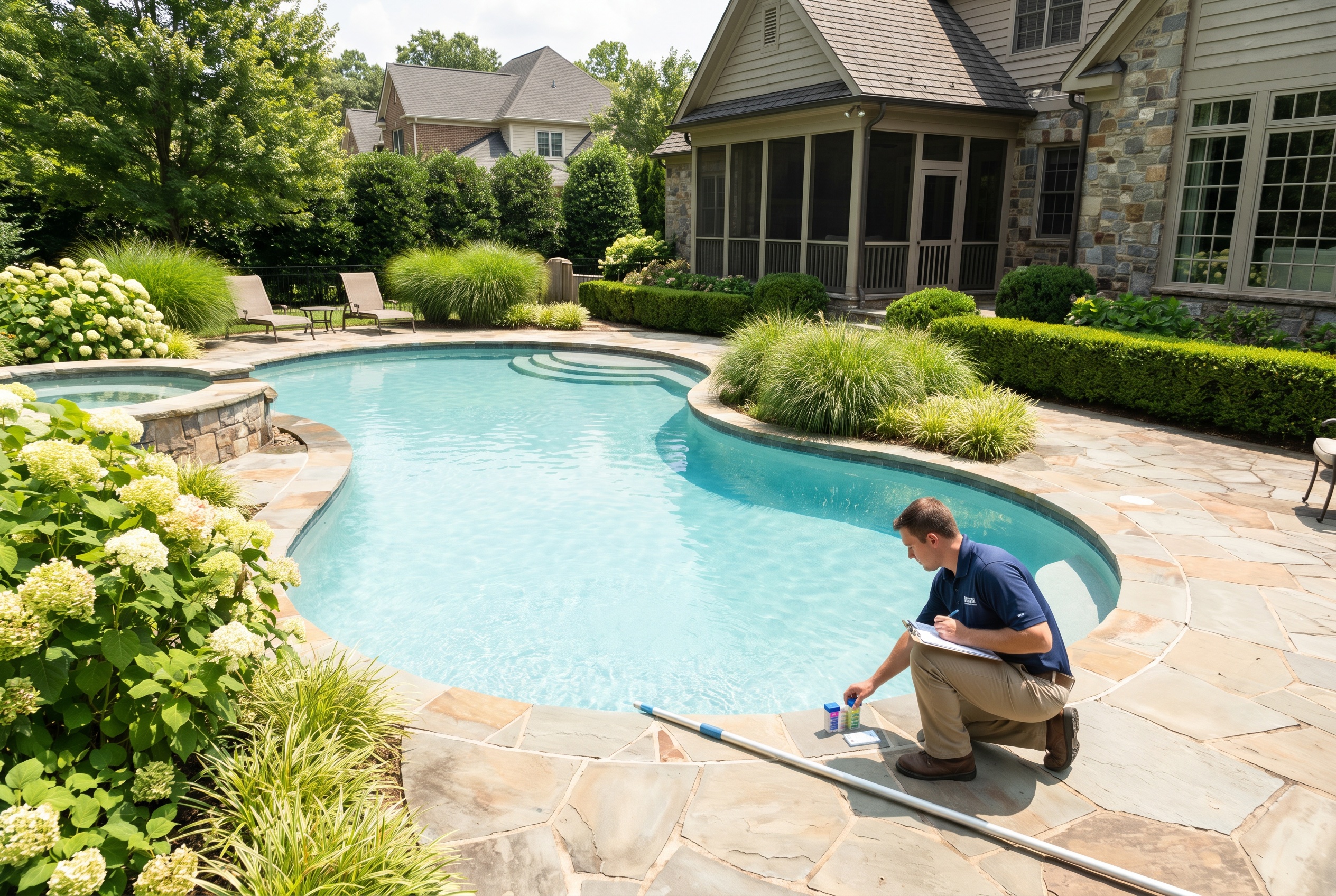
Professional pool maintenance services help homeowners stay ahead of these issues with routine cleaning, water testing, chemical balancing, equipment checks, and ongoing service recommendations. Instead of reacting only when something breaks, maintenance creates a regular rhythm of inspection and correction.

Why Water Chemistry Affects More Than Water Clarity

Clear water is important, but clarity alone does not tell the whole story. A pool can look acceptable while still being chemically unbalanced. That is one reason regular testing matters.

Water chemistry affects sanitation, swimmer comfort, surface protection, and equipment life. If sanitizer levels are too low, the water may become unsafe or more vulnerable to algae. If pH is too high or too low, chlorine may become less effective, surfaces may be irritated, and equipment may experience avoidable stress. The CDC’s home pool and hot tub water treatment guidance notes that proper pH and sanitizer levels are essential for helping pool water stay safe and comfortable.

Northern Virginia pools also face seasonal changes that can affect water chemistry quickly. Spring pollen, summer storms, heavy tree cover, high humidity, and frequent use can all introduce organic material into the water. Sunscreen, lotions, leaves, grass, and debris may place additional demand on the filtration and sanitation systems.

That is why pool care should not rely on a “set it and forget it” approach. The pool’s chemical balance needs to be monitored and adjusted as conditions change. Homeowners who want a more detailed local overview can also read about pool maintenance in Northern Virginia and how regional conditions affect ongoing pool care.

How Routine Cleaning Helps Protect Pool Equipment

Equipment efficiency matters, too. ENERGY STAR notes that certified pool pumps are designed to save energy, reduce operating costs, run quieter, and help support the life of the pool’s filtering system. Routine cleaning does more than improve the way the pool looks. It helps protect the equipment that keeps the pool running.

When skimmer baskets, pump baskets, filters, and circulation pathways become restricted, the system has to work harder to move water. Poor circulation can lead to cloudy water, inefficient filtration, uneven chemical distribution, and added strain on pumps and motors. Over time, that strain can contribute to breakdowns or shorten equipment life.

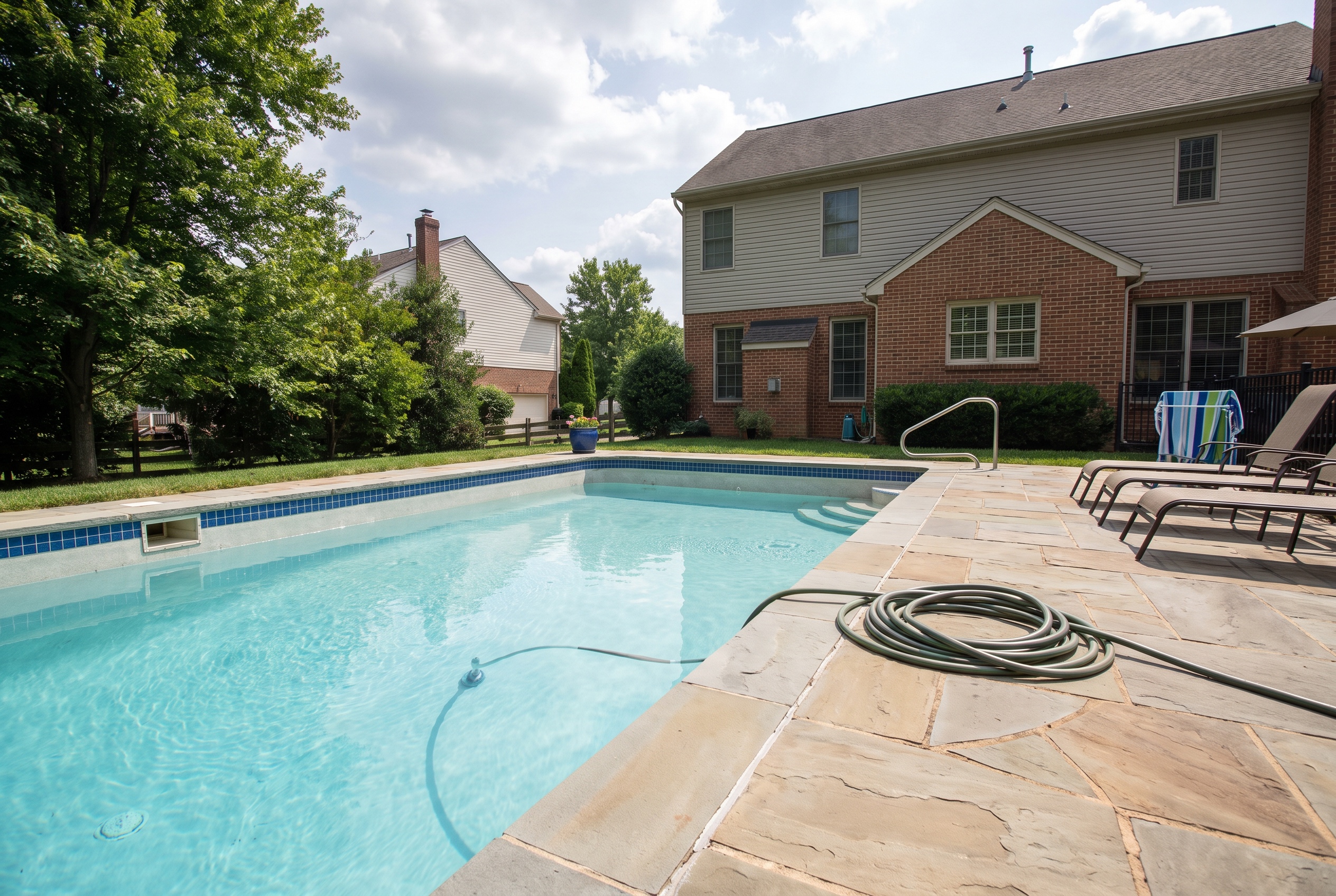
Brushing, skimming, vacuuming, emptying baskets, checking the filter, and monitoring water levels all help the system operate more efficiently. These tasks may seem simple, but they are part of the pool’s larger mechanical health. A pool is a connected system, and small maintenance gaps can ripple outward into larger performance problems.

For example, a dirty filter can reduce circulation. Reduced circulation can make chemical treatment less effective. Poor chemical distribution can allow algae to form. Algae then places even more demand on the filter and sanitizer. What began as a maintenance issue can quickly become a repair or recovery issue.

Common Pool Repair Warning Signs Homeowners Should Watch For

Even with regular maintenance, pools can still develop repair needs. The key is catching those warning signs early.

Homeowners should pay attention to changes such as:

  • A pump that becomes unusually loud, hot, or inconsistent
  • Air bubbles returning through the pool jets
  • A heater that struggles to reach or maintain temperature
  • Cloudy water that does not improve with normal treatment
  • Water level dropping faster than expected
  • Lights, automation, or controls that stop working properly
  • Visible cracks, loose coping, missing tile, or worn plaster
  • Weak water flow from returns or poor skimmer action

These signs do not always point to a major problem, but they should not be ignored. A small air leak, failing pump seal, clogged line, damaged light fixture, or equipment issue can become more expensive if the system continues operating under stress.

If your pool is losing water, your equipment is unreliable, or your system is no longer performing the way it should, professional pool repair services can help identify the source of the problem and recommend the right solution.

Seasonal Pool Maintenance in Northern Virginia

Swimming pool maintenance and repair needs also change throughout the year. In Northern Virginia, each season brings different risks.

In spring, pools often need extra attention after months of winter cover. Water chemistry may be far out of balance, debris may have entered the pool, and equipment should be inspected before regular use begins. A professional pool opening service gives technicians a chance to restart the system properly, evaluate water condition, and look for signs of winter-related damage.

In summer, pools experience peak demand. Heat, sunlight, storms, and frequent swimming can make water harder to manage. Filters may need more attention, sanitizer demand may increase, and equipment runs for longer periods. Mid-season maintenance is especially important because this is when small problems can become disruptive quickly.

In fall, leaves and organic debris can overwhelm baskets and filtration systems if they are not managed carefully. This is also the time to start thinking about closing, winter protection, and any repairs that should be handled before freezing temperatures arrive.

In winter, the pool may be closed, but it should not be forgotten. Water level, cover condition, equipment protection, and freeze-related concerns can all affect how well the pool emerges in spring.

For homeowners comparing service options across the region, McLean Pool & Spa has also covered what to expect from professional pool service in Fairfax VA, including how local conditions can affect long-term pool care.

When a Pool Repair Becomes a Larger Renovation Issue

Some pool problems can be handled with a targeted repair. Others may point to a larger renovation need.

For example, replacing a worn seal, repairing a pump, fixing a heater, or diagnosing an automation issue may be straightforward. But if the pool has failing plaster, loose coping, cracked tile, deteriorated caulking, or aging masonry, repeated spot repairs may not be the best long-term solution.

Surface and structural issues are especially important in older pools. Many pools in McLean, Great Falls, Vienna, and surrounding areas have been through years of seasonal expansion, contraction, moisture exposure, and chemical wear. Over time, finishes thin out, tile begins to loosen, coping shifts, and joints can fail.

When that happens, pool renovation services may provide a better path forward. Renovation can address the underlying condition of the pool while also improving appearance, comfort, safety, and long-term durability.

This is where professional evaluation matters. The right recommendation depends on the condition of the pool, the age of the materials, the performance of the equipment, and the homeowner’s long-term goals for the backyard.

Don’t Forget Spas, Fountains, and Water Features

Many Northern Virginia pools include attached spas, raised spas, fountains, waterfalls, or other water features. These elements add beauty and comfort, but they also add complexity.

Spas often require careful attention to heating, jets, water balance, circulation, and controls. Water features may have separate pumps, plumbing, valves, or automation components. If these systems are not maintained properly, they can develop leaks, flow issues, staining, scaling, or equipment problems.

For homeowners with more complex backyard systems, McLean Pool & Spa also provides spa, hot tub, and fountain services to help keep those features operating as intended.

Why Professional Swimming Pool Maintenance and Repair Is Worth It

Some homeowners are comfortable handling basic pool tasks themselves. Skimming, checking the water level, and keeping the pool area tidy can all help between service visits. But professional maintenance adds a deeper layer of protection.

Experienced technicians know what early warning signs look like. They can recognize when water chemistry is drifting, when circulation is weakening, when a filter needs attention, when a pump sounds wrong, or when a small leak may be developing. They also understand how one problem can affect the rest of the system.

That matters because pools are not just cosmetic features. They are mechanical, chemical, and structural systems. Protecting them requires more than occasional cleaning. It requires consistent care, informed inspection, and timely repair when something begins to fail.

Professional swimming pool maintenance and repair helps homeowners:

  • Maintain cleaner, safer, more comfortable water
  • Reduce the risk of algae and cloudy water
  • Protect pumps, filters, heaters, lights, and automation systems
  • Catch leaks and equipment issues earlier
  • Extend the life of pool surfaces and components
  • Prepare the pool properly for each season
  • Spend more time enjoying the pool and less time managing it

For busy homeowners, that peace of mind is often the biggest benefit. A properly maintained pool is easier to enjoy because the hard work is happening before problems interrupt the season.

Schedule Swimming Pool Maintenance and Repair With McLean Pool & Spa

If your pool needs routine care, equipment attention, seasonal service, or a closer look from an experienced technician, McLean Pool & Spa can help. Our team works with homeowners throughout McLean, Great Falls, Vienna, Arlington, and surrounding Northern Virginia communities.

From weekly maintenance and water chemistry management to repairs, openings, renovations, spas, and water features, we help homeowners protect their pools through every stage of ownership.

Contact McLean Pool & Spa to schedule swimming pool maintenance and repair services and keep your pool clean, efficient, and ready to enjoy.

FAQ

How often should a swimming pool be maintained?

Most residential pools benefit from weekly maintenance during the swimming season. Regular service helps keep water balanced, removes debris, protects equipment, and allows small problems to be caught early.

What is included in swimming pool maintenance?

Pool maintenance often includes skimming, vacuuming, brushing, emptying baskets, testing and balancing water chemistry, checking equipment, cleaning or backwashing filters as needed, and making service recommendations based on the pool’s condition.

What are common signs that a pool needs repair?

Common warning signs include unusual pump noise, weak circulation, cloudy water, rapid water loss, heater problems, automation issues, broken lights, cracked tile, loose coping, worn plaster, or air bubbles coming through the return jets.

Can regular maintenance prevent pool repairs?

Regular maintenance cannot prevent every repair, but it can reduce the risk of many avoidable problems. Consistent care helps protect equipment, maintain water balance, improve circulation, and identify issues before they become more serious.

When should a pool repair become a renovation?

A repair may become a renovation issue when the pool has widespread surface wear, failing plaster, loose coping, damaged tile, deteriorated caulking, or recurring structural and cosmetic problems. In those cases, renovation may provide a better long-term solution than repeated small repairs.

McLean Spa Services: Best Maintenance, Repairs, and Upgrades for Local Homeowners

If you own a McLean spa or hot tub, you already know it’s more than just a backyard feature. It’s where long days dissolve, where winter air meets rising steam, where your home quietly upgrades itself into something closer to a retreat. But like anything that lives outdoors and works hard year-round, a spa needs consistent attention to stay reliable.

In Northern Virginia, changing seasons, falling debris, and fluctuating temperatures all take a toll. Knowing how to maintain, repair, and upgrade your spa can make the difference between a relaxing soak and an unexpected headache.

McLean Spa Environmental Challenges

Spas in McLean and surrounding areas face a unique mix of environmental stress. Pollen in the spring, heavy leaf drop in the fall, and freeze-thaw cycles in winter all contribute to water quality issues and equipment wear.

Even when everything looks fine on the surface, small imbalances in water chemistry or minor equipment inefficiencies can build into larger problems over time.

Why Spa Maintenance Matters More in Northern Virginia

Unlike indoor systems, outdoor spas are constantly interacting with their environment. In wooded neighborhoods like those found in McLean and Great Falls, organic debris is a constant factor. That means higher sanitizer demand, faster filter clogging, and more frequent cleaning cycles.

Temperature swings also play a role. As water heats and cools, materials expand and contract. Over time, this can stress seals, plumbing connections, and equipment components.

Routine maintenance helps stabilize these variables before they turn into costly repairs.

Common Signs Your McLean Spa Needs Attention

Most spa issues don’t appear all at once. They tend to show up as small signals that are easy to ignore until they aren’t.

Cloudy water is one of the earliest indicators. It often points to filtration issues or imbalanced chemistry. If your water loses clarity quickly after treatment, the system may not be circulating properly.

Inconsistent heating is another common concern. If your spa takes longer to reach temperature or struggles to maintain it, the heater or sensors may be wearing down.

You might also notice unusual noises from the pump or reduced jet pressure. These can indicate buildup, blockages, or mechanical wear.

Addressing these early keeps the system efficient and avoids larger failures.

Repairs That Keep Your Spa Running Smoothly

When problems do arise, they typically fall into a few categories. Pumps and heaters are among the most common repair points, especially in systems that run year-round.

Leaks are another issue that can develop slowly. A small loss of water may not seem urgent, but over time it can affect surrounding structures and increase utility costs. Professional leak detection helps pinpoint the source without unnecessary guesswork.

Electrical components and control systems can also degrade with age. Modern spas rely heavily on sensors and automation, which means diagnosing issues often requires technical expertise.

Working with an experienced service provider ensures repairs are done correctly the first time, rather than temporarily patched.

Upgrades That Improve Performance and Efficiency

Many homeowners think of repairs as reactive, but upgrades are where you can actively improve your spa experience.

Energy-efficient pumps and heaters can significantly reduce operating costs. According to the U.S. Department of Energy, upgrading to modern variable-speed systems can cut energy usage substantially.

Automation systems are another popular upgrade. With the right setup, you can control temperature, filtration cycles, and lighting from your phone. This adds convenience while keeping your spa consistently balanced.

Lighting upgrades, saltwater systems, and improved filtration are also worth considering, especially for older spas that haven’t been updated in several years.

If you’re already considering improvements, combining them with broader renovation work can create a more cohesive backyard space.

Preventative Care That Saves Time and Money

The best way to avoid repairs is to stay ahead of them. Regular service visits help maintain proper chemistry, clean filters, and inspect equipment before issues develop.

Professional maintenance services also ensure that seasonal changes are handled correctly. For example, preparing your spa for winter in Northern Virginia requires more than just adjusting temperature. It involves protecting plumbing, monitoring freeze risk, and maintaining circulation.

With consistent care, your spa stays ready to use whenever you need it, without last-minute troubleshooting.

When to Call a Professional

Some spa maintenance tasks are manageable for homeowners, but many situations benefit from expert attention. If you’re dealing with recurring water issues, equipment malfunctions, or signs of leakage, it’s time to bring in a professional.

A qualified technician can diagnose underlying causes, not just symptoms, and recommend solutions that extend the life of your system.

If your spa hasn’t been serviced in a while, scheduling an inspection is a smart first step. You can contact McLean Pool & Spa to get a clear assessment and a plan tailored to your setup.

FAQ

How often should a spa be serviced in Northern Virginia?

Most spas benefit from professional service every 1–2 months, depending on usage and environmental exposure.

Why does my spa water get cloudy so quickly?

This is usually caused by poor filtration, imbalanced chemistry, or debris buildup. Regular maintenance helps prevent it.

Are spa upgrades worth the investment?

Yes, especially for older systems. Upgrades can improve efficiency, reduce energy costs, and enhance overall performance.

Can I maintain my spa myself?

Basic care is possible, but professional service ensures long-term reliability and helps catch issues early.

Pool Service Fairfax VA: What Homeowners Should Expect From Professional Pool Care

Pool Service Fairfax VA

Many homeowners searching for pool service Fairfax VA are looking for one simple outcome: a pool that stays clean, safe, and ready to use without constant work. Maintaining a swimming pool in Northern Virginia can be surprisingly complex. Seasonal pollen, humid summers, and heavy tree coverage throughout Fairfax County introduce debris and organic material that quickly affect water chemistry.

Professional pool service removes the guesswork. Instead of reacting to cloudy water or equipment problems, routine maintenance keeps the entire system operating smoothly. Understanding what professional pool service actually includes can help homeowners decide when it makes sense to rely on experienced technicians.

The Real Cause of Most Pool Problems

Many pool issues begin quietly. Water may appear clear, but underlying chemistry may already be drifting out of balance. When pH, alkalinity, or sanitizer levels fluctuate, the water becomes less stable and algae can develop quickly. Environmental factors in Fairfax County accelerate this process.

During spring and early summer, heavy pollen from oak, pine, and maple trees settles directly into backyard pools. These organic particles increase phosphate levels, which act as nutrients for algae growth. Combined with warm temperatures and humidity, even a small imbalance can lead to cloudy or green water within days.

Mechanical systems also play a role. Filters gradually accumulate oils, sunscreen residue, and fine debris. Pumps and circulation systems can lose efficiency as baskets fill and pressure builds. Without regular inspection, these problems often appear suddenly during peak swimming season.

Organizations such as the CDC’s Healthy Swimming program emphasize that proper water balance and filtration are critical for safe swimming environments. Maintaining these levels consistently requires regular testing and adjustments.

Warning Signs Your Pool Needs Professional Attention

Even well-maintained pools occasionally develop early warning signs that something is off. Many homeowners notice visual clues before a larger problem develops.

Some of the most common signs include:

  • Cloudy or dull-looking water
  • Green tint or visible algae along walls or steps
  • Strong chlorine odor
  • Poor water circulation from return jets
  • Debris accumulating despite normal filtration cycles

Equipment behavior can also reveal underlying issues. A pump running louder than usual, air bubbles in the system, or inconsistent water flow may indicate filtration or plumbing concerns that require inspection.

In many cases, these warning signs appear gradually. Addressing them early through routine pool service can prevent expensive repairs later.

What Professional Pool Service Fairfax VA Typically Includes

Homeowners often assume pool service only involves skimming leaves and adding chlorine. In reality, a professional service visit addresses several aspects of pool health simultaneously.

During routine service, technicians evaluate water chemistry, filtration performance, and equipment operation. Chemical levels are tested with professional tools, allowing adjustments that maintain stable water balance. Debris is removed from the surface and floor, and skimmer baskets are cleared to maintain proper circulation.

Filtration systems are also inspected to ensure water is moving efficiently through the system. This prevents contaminants from accumulating and helps maintain the clear, “jewel box” water quality most homeowners expect.

For many homeowners in Fairfax County, consistent maintenance provides peace of mind. Instead of troubleshooting water issues on weekends, the pool remains consistently ready for use.

Routine care also helps protect pool equipment. Systems such as pumps, heaters, and salt generators benefit from periodic inspection. Catching minor issues early extends the lifespan of these components.

Homeowners interested in ongoing maintenance can learn more about professional services on the pool maintenance page.

Why Local Experience Matters for Pool Service

Pools in Fairfax County face environmental conditions that differ from other parts of the country. Northern Virginia’s climate includes humid summers, frequent storms, and significant seasonal pollen. Many properties in areas like McLean, Vienna, and Great Falls also feature mature trees that drop leaves, seeds, and organic debris throughout the season.

These factors influence how pools should be maintained. Water chemistry adjustments may need to account for heavy organic load after storms or high pollen periods. Seasonal temperature swings also affect sanitizer demand and filtration performance.

Local service providers understand these patterns and plan maintenance accordingly. This proactive approach helps prevent common issues before they develop.

For example, spring pool openings often require additional filtration cleaning due to winter debris. Professional technicians performing pool openings inspect equipment and water balance before the swimming season begins, ensuring the pool starts the season in stable condition.

How Consistent Pool Service Protects Your Investment

A swimming pool represents a major investment in any Northern Virginia property. Proper maintenance helps protect that investment by preserving both structural components and equipment.

When water chemistry remains balanced, surfaces such as plaster, tile, and coping last significantly longer. Balanced water prevents scale buildup and corrosion that can gradually damage pool finishes.

Equipment also benefits from routine service. Pumps operate more efficiently when baskets and filters remain clean. Heaters and automation systems perform more reliably when inspected regularly.

For homeowners considering upgrades or long-term improvements, services such as pool renovations can also modernize aging pools with new finishes, lighting, or energy-efficient equipment.

Ultimately, consistent maintenance reduces unexpected problems and ensures the pool remains an enjoyable part of the home.

If you are looking for reliable pool service Fairfax VA, professional technicians can evaluate your pool’s current condition and recommend a maintenance plan that fits your property. To schedule an inspection or learn more about service options, visit the contact page.

FAQ

How often should pool service Fairfax VA be scheduled?

Most residential pools benefit from weekly service during the swimming season. Regular visits allow technicians to monitor water chemistry, remove debris, and inspect equipment before problems develop.

What does pool service Fairfax VA typically include?

Pool service usually includes water testing and balancing, skimming and vacuuming debris, cleaning baskets, checking filtration systems, and inspecting equipment for proper operation.

Why does my pool turn cloudy even when I add chlorine?

Cloudy water often results from imbalanced pH, high organic debris, or insufficient filtration. Professional testing can identify the underlying cause and restore proper water balance.

Can professional pool service help prevent equipment problems?

Yes. Routine inspections allow technicians to detect early signs of pump, filter, or plumbing issues. Addressing these early helps prevent larger repairs later.

Spring Pool Opening Guide

Spring Is Almost Here: Is Your Pool Ready for Summer?

The days are getting longer, temperatures are creeping up, and Northern Virginia is finally waking up from winter. For homeowners in McLean and Great Falls, that can only mean one thing: pool season is just around the corner. Now is the ideal time to start thinking about your pool opening and getting your backyard oasis primed for the warmer months ahead.

Whether your pool has been under a safety cover since October or you’ve kept it on a minimal winter schedule, a professional spring opening is essential. Skipping steps or waiting too long often leads to green water and equipment issues that can put a serious damper on your summer. At McLean Pool & Spa, we help families across the region get their water crystal clear and swim-ready every spring.

Why Early Pool Opening Matters

Most people wait until Memorial Day to think about their backyard, but getting ahead of the rush pays off. Opening in late March or April—while water temperatures are still cool—actually makes it easier to balance your chemistry and prevent algae from taking hold.

Planning an early pool opening in McLean also means you beat the scheduling crunch. Our calendar fills up fast as spring hits full swing, so reaching out now ensures you get a convenient appointment. A head start means more time floating in your pool and fewer headaches once June arrives.

What Does a Professional Pool Opening Include?

A proper opening is about more than just pulling off a cover and flipping a power switch. Our technicians follow a comprehensive checklist to ensure your pool maintenance in Northern Virginia starts on the right foot. Here is what we cover:

  • Cover Care: We remove, clean, and properly store your winter cover so it’s protected for next season.
  • System Inspection: We reconnect and inspect all equipment, including pumps, filters, heaters, and automation systems, to confirm nothing was damaged by freezing temperatures.
  • Chemistry Reset: We perform full water testing. We analyze pH, alkalinity, calcium hardness, and sanitizer levels to protect both the swimmers and your pool’s finish.
  • The Deep Clean: This includes vacuuming debris, brushing the tile line, and skimming the surface so the water is sparking from day one.

Tips to Prepare Your Pool This Spring

While you wait for your professional service appointment, there are a few things you can do to get a head start. Take a walk around the pool deck and look for any cracked coping, damaged tiles, or settled concrete. It’s also smart to check your equipment pad for any visible leaks or “critter damage” that might have occurred over the winter months.

If you have a mesh cover, keep in mind that rainwater and fine silt may have filtered through, so be prepared for a bit of extra filtration time. Now is also a great time to check your chemical stock; anything clumped or expired won’t do the job properly when the heat hits.

Your Local Experts for Pool Maintenance in Northern Virginia

At McLean Pool & Spa, we have spent decades serving the local community. From seasonal openings and weekly cleaning to complex equipment repairs, we handle the technical details so you can focus on making memories.

Don’t wait until the first heatwave to think about your water. Contact McLean Pool & Spa today to schedule your spring opening and get your backyard summer-ready before the rush.

Ready to open your pool? Call us at (703) 448-7665 or visit mcleanpoolspa.com to book your appointment today!