
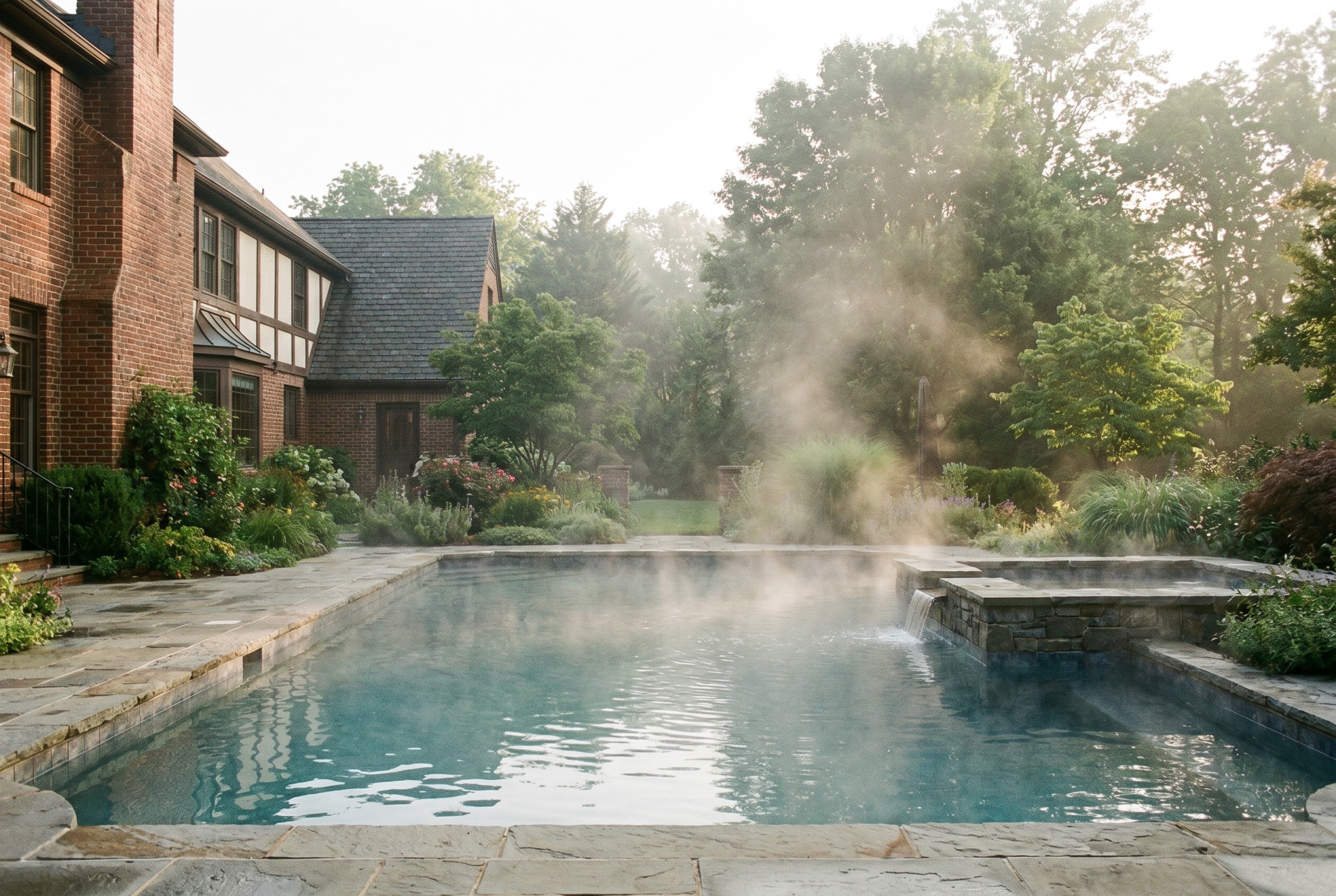
Pool Heater Installation Benefits for Northern Virginia Homeowners

Pool Heater Installation

Pool heater installation can make a major difference in how often Northern Virginia homeowners are able to enjoy their pools. In this region, pool season often feels shorter than it should. Spring can be slow to warm up, early fall evenings can cool quickly, and even a beautiful pool may go unused when the water temperature is uncomfortable.

A properly selected pool heater gives homeowners more control over their backyard. Instead of waiting for several weeks of warm weather before the pool feels inviting, a heating system can help make the water comfortable earlier in spring, later into fall, and during cooler stretches of summer.

For many homeowners in McLean, Great Falls, Vienna, Oakton, Arlington, and surrounding Fairfax County communities, the question is not just whether a heater can warm the pool. The better question is whether the right heating system can make the pool more usable, more reliable, and better matched to the way the family actually uses the space.

Why Pool Temperature Matters More Than Homeowners Realize

Clear water and beautiful surroundings are important, but comfort often determines whether a pool gets used. A pool can look perfect and still sit empty if the water feels too cold for morning swims, evening use, young children, guests, or older family members.

Northern Virginia’s climate adds to that challenge. Warm afternoons may be followed by cooler nights, especially in spring and fall. Shaded properties, wooded lots, and pools surrounded by mature landscaping may also warm more slowly than open, sunny pools. Even during summer, heavy rain and cloudy weather can bring the water temperature down enough to interrupt regular use.

A swimming pool heater helps reduce that guesswork. Homeowners can plan gatherings, swim after work, or enjoy a more comfortable weekend without depending entirely on several days of perfect weather.

The Main Benefits of Pool Heater Installation

The most obvious benefit of pool heater installation is a longer swimming season. In Northern Virginia, that can mean opening the pool with more confidence in spring and continuing to enjoy it into the fall when daytime temperatures are still pleasant but the water no longer stays warm on its own.

A heater can also improve everyday comfort. Many families find that a pool gets used more often when the water temperature is predictable. Children may stay in longer, guests may feel more comfortable, and homeowners may be more likely to use the pool for exercise or relaxation instead of waiting for the hottest part of the day.

There is also a lifestyle benefit. A pool is a significant investment in the home. If cold water limits its use to only the warmest weeks of the year, the homeowner may not be getting the full value from that investment. A properly installed heating system helps make the pool feel less seasonal and more like a dependable part of the outdoor living space.

Choosing the Right Pool Heating System

There are several ways to heat a pool, and the right choice depends on the property, pool size, usage habits, budget, and performance expectations. Common options include gas pool heaters, electric heat pumps, and in some cases solar-assisted heating systems.

Gas heaters are often valued for speed. They can raise water temperature quickly, which may be helpful for homeowners who use the pool occasionally or want fast heating before a weekend gathering. Heat pumps usually work more gradually, but they can be efficient for maintaining comfortable water temperatures over time, especially when air temperatures are mild.

The U.S. Department of Energy notes that pool heating can consume a lot of energy and that homeowners can improve efficiency by choosing an efficient pool heater and reducing heating costs through proper operation and maintenance. Homeowners can read more from the Department of Energy’s swimming pool heating and maintenance guidance.

For homeowners considering a new heater, McLean Pool & Spa can evaluate how the pool is currently used, how quickly the water needs to heat, and what type of system makes the most sense. In some cases, a heater may also pair well with broader pool equipment upgrades, such as updated controls, automation, or more efficient circulation equipment.

Warning Signs Your Current Pool Heater May Need Attention

Some homeowners already have a pool heater, but it may not be performing the way it should. A heater that struggles to reach the set temperature, shuts off unexpectedly, makes unusual noises, shows error codes, or takes much longer than usual to warm the water should be inspected.

Other warning signs can be easier to miss. Rising energy costs, inconsistent water temperature, corrosion around equipment, poor water flow, or frequent service calls may all point to a heater that is aging, improperly sized, or affected by another equipment issue.

Pool heaters depend on proper circulation, clean filters, balanced water chemistry, and safe equipment operation. If the pump, filter, plumbing, or controls are not working correctly, the heater may not perform well either. That is why heater concerns should be evaluated as part of the entire pool system, not as an isolated box on the equipment pad.

How Pool Maintenance Supports Heater Performance

A pool heater works best when the rest of the pool is properly maintained. Poor water chemistry can contribute to scaling, corrosion, and reduced equipment life. Restricted flow from dirty filters, clogged baskets, or circulation problems can also interfere with heater operation.

Regular pool maintenance helps protect the heater by keeping water balanced, debris under control, and equipment issues easier to catch early. This is especially important in Northern Virginia, where spring pollen, summer storms, heavy tree cover, and fall leaves can all increase the workload on the pool system.

Seasonal service matters as well. During a spring pool opening, the heater and related equipment should be checked before the pool is used heavily. If the system has sat through winter, early inspection can help identify ignition problems, flow issues, leaks, or other concerns before the homeowner is depending on the heater for regular use.

Is Pool Heater Installation Worth It?

For many Northern Virginia homeowners, pool heater installation is worth considering if the pool feels underused because of cold water. It can be especially valuable for families who want to swim earlier in spring, continue later into fall, entertain more comfortably, or use the pool for fitness and relaxation outside the hottest part of summer.

The value depends on choosing the right system. A heater should be sized correctly, installed properly, and matched to the pool’s plumbing, equipment, and usage patterns. A system that is too small may struggle to keep up. A system that is poorly installed may create frustration instead of comfort.

McLean Pool & Spa helps homeowners evaluate their current equipment, compare heating options, and determine whether a pool heater is the right upgrade. If you are ready to make your pool more comfortable and usable throughout more of the year, contact McLean Pool & Spa to discuss your options.

FAQ

Does a pool heater extend the swimming season in Northern Virginia?

Yes. A pool heater can help homeowners use their pools earlier in spring and later into fall by keeping the water at a more comfortable temperature during cooler weather.

What type of pool heater is best?

The best pool heater depends on how quickly you want the water heated, how often you use the pool, your energy preferences, pool size, and existing equipment. Gas heaters and heat pumps each have different advantages.

Can a pool heater be added to an existing pool?

In many cases, yes. A professional should evaluate the pool’s plumbing, electrical or gas access, equipment pad, pump, filter, and controls before recommending the right heating system.

Does a pool heater need maintenance?

Yes. A pool heater should be inspected regularly, and the pool should be kept properly balanced and filtered. Good water chemistry and circulation help protect heater performance and equipment life.

Saltwater Pool Conversion: Is It Worth It for Your Northern Virginia Pool?

Saltwater Pool Conversion

A saltwater pool conversion can be an appealing upgrade for homeowners who want their pool water to feel smoother, smell less harsh, and require less hands-on chlorine handling during the swimming season. For many Northern Virginia homeowners, the idea sounds simple: convert the pool to saltwater and enjoy easier maintenance. The reality is still homeowner-friendly, but it is worth understanding what changes, what stays the same, and what the system needs to work properly.

Saltwater pools are often described as a gentler alternative to traditional chlorine pools. That description is partly true, but it can also be misunderstood. A saltwater pool is not chlorine-free. Instead, it uses a salt chlorine generator to produce chlorine from dissolved salt in the water. The pool still relies on chlorine for sanitation, but the system creates it steadily instead of requiring frequent manual chlorine additions.

For the right pool, this can be a practical and comfortable upgrade. The key is making sure the equipment is properly sized, installed, and maintained for the pool’s volume, usage, and local conditions.

How a Saltwater Pool System Works

A saltwater pool system uses a device called a salt chlorine generator. After salt is added to the pool water, that water passes through the generator’s salt cell. Inside the cell, an electrical process converts the dissolved salt into chlorine, which then sanitizes the pool water.

The Pool & Hot Tub Alliance explains salt chlorine generators as systems that generate sanitizer for pool water, reducing the need for routine manual chlorine additions when the system is properly sized and operating correctly.

From the homeowner’s perspective, the biggest difference is consistency. Rather than adding chlorine in larger doses, the system produces sanitizer gradually as the pool circulates. That steady production can help maintain more even sanitizer levels during normal use, though it does not eliminate the need for testing, balancing, or professional service.

Benefits of a Saltwater Pool Conversion

Many homeowners consider saltwater because of how the water feels. Saltwater pools often feel softer on the skin and eyes compared with traditional chlorine pools. They may also have less of the strong “chlorine smell” people associate with pool water, especially when the system is balanced correctly.

A saltwater pool conversion can also reduce the need to store and handle chlorine products at home. That convenience matters for busy homeowners who want their pool to be ready without constant chemical attention. It can be especially appealing in McLean, Great Falls, Vienna, Oakton, and Arlington, where many homeowners want a pool that fits smoothly into a busy lifestyle.

There may also be maintenance benefits. A properly operating saltwater pool system can help provide more consistent chlorination throughout the week. That steadier sanitizer production may help reduce the peaks and dips that sometimes happen when pool care is handled less frequently.

Still, saltwater does not turn a pool into a self-maintaining system. The water still needs to be tested, the salt level needs to be monitored, and the salt cell needs regular inspection and cleaning.

What Saltwater Pools Still Need

One of the most important things to understand before converting is that saltwater pools still require water chemistry management. Chlorine level, pH, alkalinity, calcium hardness, stabilizer, and salt levels all matter. If these drift too far, the pool can become uncomfortable, cloudy, corrosive, or prone to scaling.

The CDC’s home pool and hot tub water treatment guidance recommends maintaining proper pH and sanitizer levels to help keep pool water safe and comfortable.

Saltwater pool maintenance also includes caring for the salt cell itself. Over time, mineral scale can build up on the plates inside the cell, especially if water balance is neglected. When that happens, the system may produce less chlorine or trigger warning lights. Regular inspection helps keep the generator working efficiently and prevents small issues from turning into equipment problems.

McLean Pool & Spa provides pool maintenance services that can include water testing, chemical balancing, equipment checks, and ongoing recommendations for keeping the pool system in good condition.

Can Any Pool Be Converted to Saltwater?

Many existing chlorine pools can be converted to saltwater, but the right answer depends on the pool’s current condition and equipment. Before a chlorine pool to saltwater pool conversion, a professional should evaluate the pump, filter, heater, plumbing, automation system, pool surface, coping, and any attached spa or water features.

The salt chlorine generator needs to be sized correctly for the pool. An undersized system may struggle to keep up during hot weather, heavy use, or periods of intense sunlight. That matters in Northern Virginia, where humid summers, thunderstorms, pollen, and wooded lots can increase the organic load in the water.

Pool materials also deserve attention. Saltwater systems can work very well, but water balance matters. If chemistry is neglected, saltwater can contribute to corrosion or scaling issues around certain metals, stone, fixtures, or equipment components. The goal is not just to install the equipment, but to make sure the whole system is prepared for long-term performance.

If your pool equipment is already aging, unreliable, or inefficient, a saltwater conversion may be a good time to consider broader equipment upgrades, such as automation, pump improvements, or updated controls.

Warning Signs Your Saltwater System Needs Attention

If you already have a saltwater pool system, there are a few warning signs that something may need service. Cloudy water, recurring algae, low chlorine readings, salt level alerts, flow warnings, or a cell that frequently needs cleaning can all point to a system issue.

Some problems are simple, such as low salt, dirty filter cartridges, poor water flow, or a cell that needs cleaning. Others may involve a failing salt cell, control board issue, sensor problem, or circulation concern. Because the salt chlorine generator depends on proper flow and water balance, equipment issues elsewhere in the system can affect sanitizer production.

Homeowners should also pay attention to stains, scale, corrosion, unusual equipment noise, or changes in water feel. These signs do not always mean the salt system is the cause, but they are worth investigating before the issue grows.

Saltwater Pool Care in Northern Virginia

Northern Virginia pools face a wide range of seasonal conditions. Spring pollen can increase debris and organic material in the water. Summer heat and humidity can raise sanitizer demand. Wooded properties in McLean and Great Falls may see heavier leaf, acorn, and seed debris. Fall brings another surge of organic load, and winter freeze-thaw cycles can stress masonry, tile, coping, and plumbing if the pool is not properly prepared.

That means saltwater pool maintenance still needs to be seasonal. A salt system should be checked during opening, monitored during peak summer use, and properly addressed before winter. During startup, it is important to confirm that the equipment is operating correctly and that the water is balanced before relying on the salt chlorine generator for regular sanitizer production.

A professional pool opening service can help homeowners restart the pool properly in spring, inspect equipment, and identify issues before the season is fully underway.

Should You Convert Your Pool to Saltwater?

A saltwater pool conversion can be a smart upgrade for homeowners who want a more comfortable swimming experience and a more automated approach to chlorination. It can be especially worthwhile if your current pool equipment is in good condition, your pool receives regular maintenance, and you want to reduce the amount of manual chlorine handling required during the season.

It may not be the right move if the pool has unresolved equipment problems, poor circulation, aging components, or water balance issues that need to be corrected first. In those cases, the better first step is a professional evaluation. Once the pool system is stable, a saltwater conversion may fit naturally into a broader plan for easier, more efficient pool ownership.

If you are considering a saltwater pool conversion in Northern Virginia, McLean Pool & Spa can evaluate your current system, explain your options, and help you decide whether converting makes sense for your pool, equipment, and long-term maintenance goals.

To discuss saltwater systems, equipment upgrades, or seasonal pool care, contact McLean Pool & Spa today.

FAQ

Is a saltwater pool chlorine-free?

No. A saltwater pool still uses chlorine to sanitize the water. The difference is that a salt chlorine generator produces chlorine from dissolved salt in the pool water instead of relying only on manually added chlorine products.

Is saltwater pool maintenance easier?

Saltwater pool maintenance can feel easier because the system produces sanitizer steadily, but the pool still needs regular testing, balancing, cleaning, equipment checks, and salt cell maintenance.

Can I use my existing pool in a saltwater pool conversion?

Many existing pools can be converted to saltwater, but the pool and equipment should be evaluated first. The generator must be sized correctly, and the pump, filter, heater, plumbing, surface, and related equipment should be in good condition.

How often does a salt cell need maintenance?

Salt cell maintenance depends on water chemistry, usage, and the specific system. The cell should be inspected regularly for scale buildup and cleaned according to manufacturer recommendations or professional guidance.