Mid Season Pool Maintenance: What Northern Virginia Homeowners Should Check

Why Mid Season Pool Maintenance Matters During a Northern Virginia Summer

Mid season pool maintenance is one of the best ways to keep your pool clear, comfortable, and ready to use during the busiest part of the year. By mid-summer, your pool has already been through spring pollen, early-season balancing, storms, heat, heavy swimmer use, and weeks of regular filtration. Even if the water still looks good, the system may be working harder than it did at opening.

For homeowners in McLean, Great Falls, Vienna, Oakton, Arlington, and surrounding Northern Virginia communities, summer pool care is rarely static. Humidity, thunderstorms, wooded lots, sunscreen, leaves, grass clippings, and warm water can all increase the demand on your sanitizer and filtration system. A pool that was easy to manage in May may need more attention by July or August.

Mid-season care is about catching those changes before they become cloudy water, algae growth, equipment strain, or an unexpected service problem right when you want to use the pool most.

Start With Water Chemistry

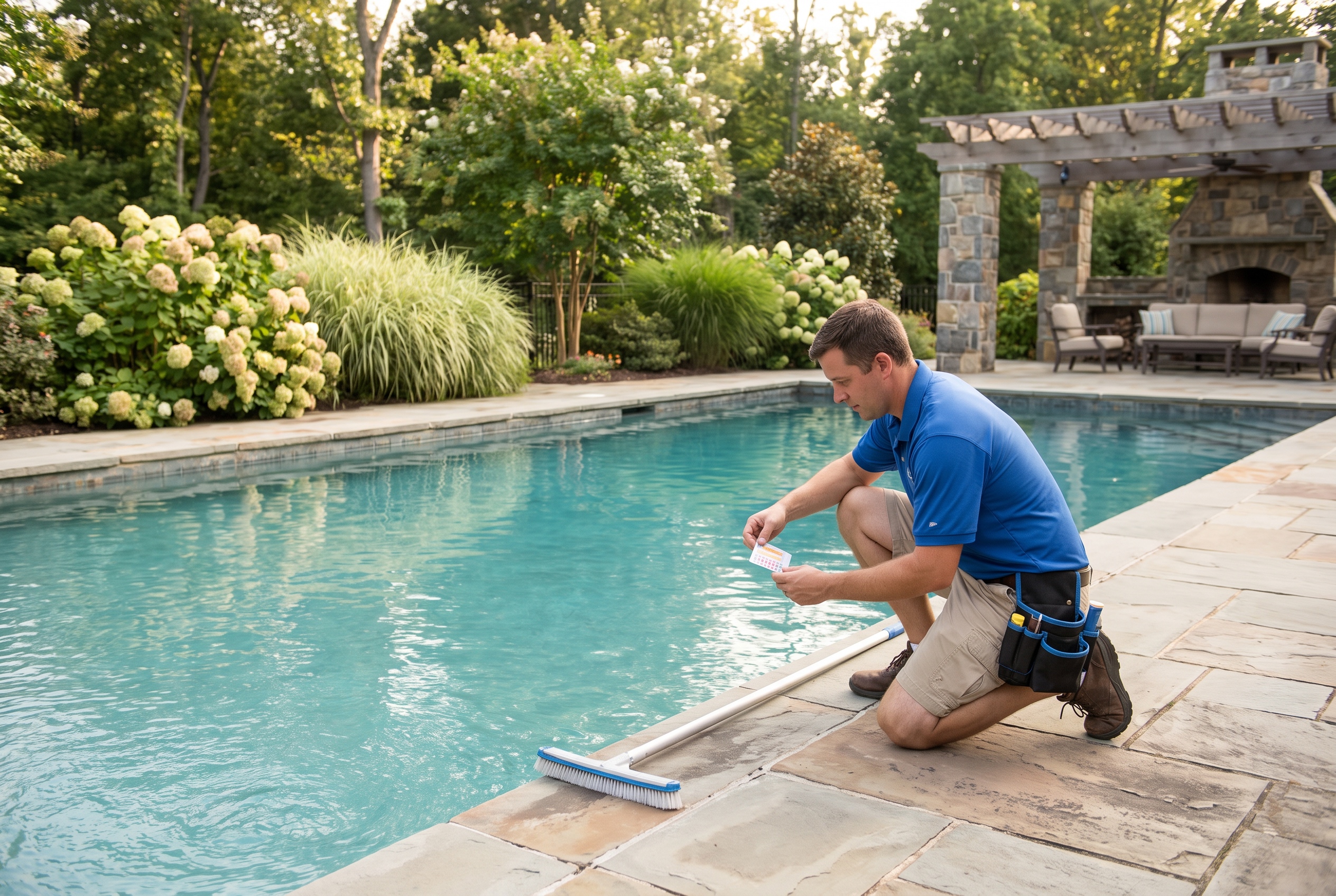
Water balance is usually the first place to look during mid-summer maintenance. Chlorine, pH, alkalinity, calcium hardness, and stabilizer levels all affect water clarity, comfort, and equipment protection. When these readings drift, the pool may still look acceptable for a short time, but problems can build quickly.

pH is especially important because it affects how well chlorine works. If pH climbs too high, sanitizer can become less effective. If chlorine levels drop too low, algae and organic buildup have more opportunity to develop. The CDC’s home pool and hot tub water treatment guidance recommends maintaining proper pH and sanitizer levels to help keep pool water safe and comfortable.

In Northern Virginia, mid-summer weather can shift chemistry quickly. A heavy thunderstorm may dilute chemicals and add debris. A hot, sunny week may raise chlorine demand. A weekend with guests can introduce sunscreen, lotions, sweat, and other organic material. Regular testing helps prevent these normal summer conditions from turning into water problems.

Check Filtration and Circulation

Clear water depends on more than chemicals. The pool also needs strong circulation and effective filtration. During mid-season, filters may be carrying weeks of pollen, dust, oils, fine debris, and organic material. Skimmer baskets and pump baskets can fill quickly, especially on wooded properties or after storms.

Homeowners should pay attention to weak return flow, poor skimmer action, air bubbles, rising or falling filter pressure, noisy equipment, or water that stays dull even after chemical adjustments. These can be signs that the system is not moving or filtering water as well as it should.

Professional pool maintenance services help keep these details under control with regular cleaning, water chemistry checks, basket cleaning, brushing, vacuuming, filter attention, and visual equipment inspections. Mid-season is an ideal time to make sure the system is still keeping up with the pool’s actual workload.

Brush, Vacuum, and Remove Debris Before It Becomes a Problem

By the middle of the season, pool surfaces can collect more than visible leaves. Fine debris, pollen, dust, algae spores, and organic residue can settle along steps, corners, benches, tile lines, and shaded areas. These areas often have weaker circulation, which makes regular brushing especially important.

Brushing helps loosen material before it clings to surfaces or gives algae a foothold. Vacuuming removes debris from the floor before it breaks down and places more demand on the sanitizer. Skimming and basket cleaning help keep the circulation system from being restricted.

This kind of maintenance may seem routine, but it protects the entire pool system. When debris is allowed to build up, chlorine demand rises, filters work harder, and cloudy water becomes more likely. A clean pool is easier to balance, easier to filter, and less likely to need emergency attention.

Watch for Early Algae and Cloudy Water

Mid-summer is prime time for algae in Northern Virginia. Warm water, humidity, sudden storms, and heavy organic debris can create the right conditions for growth. Algae does not always start as a bright green pool. Often, the first signs are subtle.

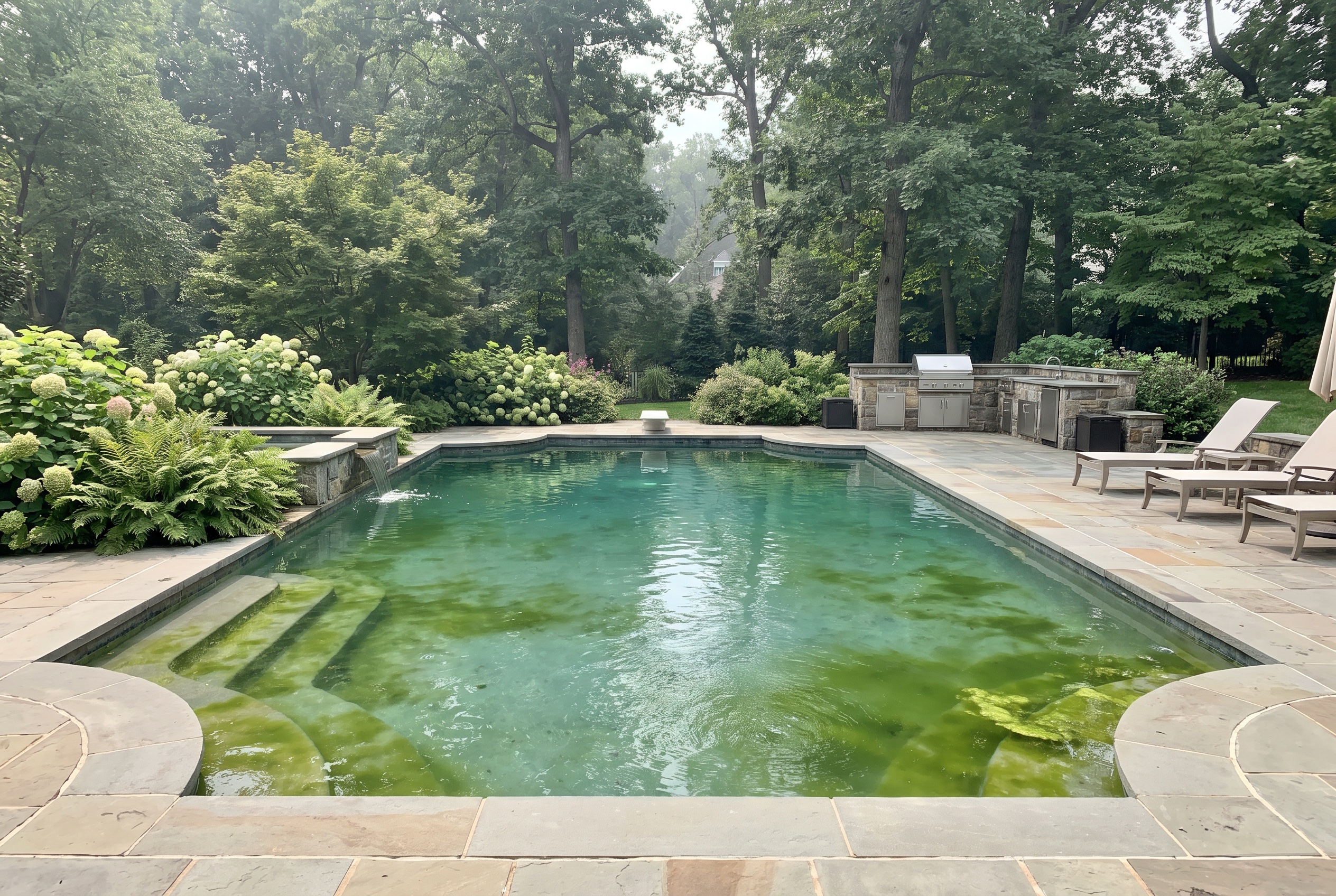
Homeowners may notice slightly cloudy water, a slippery feeling on steps, dull-looking walls, or faint green or yellow patches near corners and shaded areas. If brushing creates a dusty cloud from the pool surface, algae may already be starting to develop.

The earlier algae is addressed, the easier it is to control. Waiting until the water turns green usually means more treatment, more filtration time, and more disruption. Mid season pool maintenance helps reduce that risk by keeping sanitizer levels steady, debris under control, and circulation strong.

Inspect Equipment Before Peak Use Takes a Toll

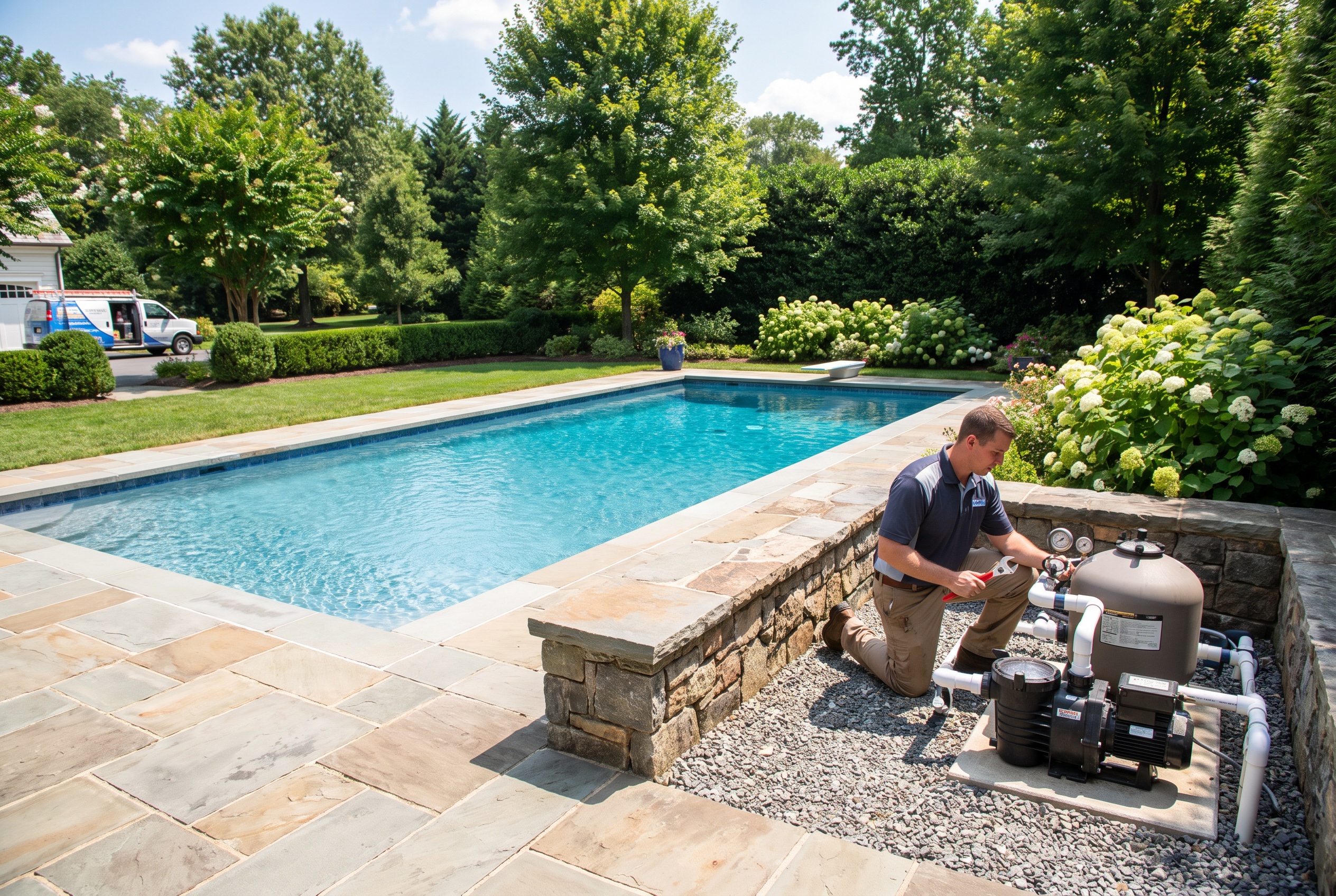
Pool equipment works hard during the middle of summer. Pumps run longer, filters carry more load, heaters may be used for evening comfort, and automation systems may be adjusted more often. A small issue on the equipment pad can become more noticeable during peak use.

Homeowners should listen for unusual pump noise, check for visible leaks, watch for error messages, and look for changes in water flow. If the pool is losing water faster than expected, struggling to stay clear, or showing signs of circulation problems, it may be time for a professional inspection.

McLean Pool & Spa provides pool repair services for issues involving leaks, filtration systems, pumps, heaters, and related equipment. Catching a repair need during mid-season can help prevent a larger interruption later in the summer.

Think Ahead to Late Summer and Fall

Mid-season maintenance also helps set up the rest of the year. A pool that is kept balanced and clean in July is usually easier to manage in August and September. It is also easier to prepare for closing when the water has not been fighting algae, cloudy conditions, or heavy debris for weeks.

If your pool needed extra cleanup after opening, had recurring cloudy water, or has already shown signs of algae, mid-season is a good time to review the maintenance routine. The goal is to avoid carrying summer problems into fall, when leaves and cooler nights add a new layer of stress.

A professional pool opening helps start the season properly, but consistent care through the middle of summer is what keeps the pool dependable when it is being used the most.

Schedule Mid Season Pool Maintenance With McLean Pool & Spa

Mid-summer should be when your pool is at its best. If the water is becoming harder to balance, the filter is struggling, algae keeps trying to appear, or the equipment does not seem to be performing normally, professional service can help restore confidence in the system.

McLean Pool & Spa helps homeowners throughout McLean, Great Falls, Vienna, Oakton, Arlington, and surrounding Northern Virginia communities keep their pools clean, balanced, and ready to enjoy. To schedule mid-season service or have a technician inspect your pool, contact McLean Pool & Spa today.

FAQ

What is mid season pool maintenance?

Mid season pool maintenance is a focused checkup during the busiest part of pool season. It typically includes water testing, chemical balancing, brushing, vacuuming, basket cleaning, filter attention, and equipment inspection.

Why does my pool need extra care in the middle of summer?

Heat, humidity, storms, pollen, debris, and frequent swimming all increase the demand on your pool’s sanitizer and filtration system. Mid-summer conditions can cause water chemistry to change quickly.

How can I tell if my pool filter needs attention?

Signs may include cloudy water, weak return flow, poor skimmer action, unusual filter pressure, or water that does not clear after normal treatment. A professional can inspect the filter and circulation system to identify the cause.

Can mid-season maintenance prevent algae?

It can greatly reduce the risk. Regular brushing, water testing, sanitizer control, debris removal, and strong circulation all help prevent algae from gaining a foothold during hot, humid weather.

Pool Algae Removal: How Professionals Handle Severe Algae Growth

How Pool Algae Removal Works When the Problem Has Already Spread

Pool algae removal becomes more involved once algae has moved beyond a few small spots on the steps or walls. A severe algae problem can turn water green, make surfaces slippery, clog filters, reduce visibility, and place extra strain on the pool’s circulation system. For homeowners in Northern Virginia, algae can spread quickly during humid summer weather, especially after storms, heavy use, or several days of low sanitizer levels.

At that point, simply adding more chlorine may not solve the problem. The pool needs to be tested, brushed, filtered, treated, and monitored until the water is clear and the underlying cause has been corrected. Professional algae treatment is about more than making the pool look better for a day. The goal is to restore safe, balanced water and prevent the problem from coming back.

Why Severe Pool Algae Develops

Algae usually grows when the pool gives it the right combination of sunlight, nutrients, warm water, weak sanitizer, and poor circulation. In McLean, Great Falls, Vienna, Oakton, Arlington, and surrounding Fairfax County communities, local conditions can make that combination more likely during the swimming season.

Spring pollen, wooded lots, summer thunderstorms, leaves, grass clippings, sunscreen, and heavy swimmer use all add organic material to the water. That material consumes sanitizer and gives algae more opportunity to grow. If the filter is dirty, baskets are full, the pump is not running long enough, or the water chemistry is out of range, the pool may not be able to recover on its own.

Water balance is especially important. The CDC’s home pool and hot tub water treatment guidance recommends maintaining proper pH and sanitizer levels to help keep pool water safe and comfortable. When pH is too high or chlorine levels are too low, algae becomes harder to control.

Warning Signs That Algae Needs Professional Attention

Not every algae issue starts as a fully green pool. Early signs may include cloudy water, slippery steps, dull-looking walls, green or yellow patches, or a fine dust-like layer on the pool floor. If those signs are caught early, the problem may be easier to correct.

Professional attention becomes more important when the water is dark green, visibility is poor, algae returns soon after treatment, or the filter cannot keep up with the cleanup. A pool that stays cloudy after repeated chemical treatment may have dead algae suspended in the water, a filtration problem, or a circulation issue that needs to be addressed.

Homeowners should also watch for weak return flow, clogged baskets, rising filter pressure, air bubbles, unusual pump noise, or algae growing repeatedly in the same areas. These symptoms can point to equipment problems that allow algae to return even after the water has been treated.

How Professionals Diagnose the Cause

A professional algae cleanup starts with diagnosis. The technician needs to understand why the algae developed before deciding how to treat it. That usually begins with a full water test, including sanitizer, pH, alkalinity, stabilizer, calcium hardness, and other relevant readings.

The equipment matters too. The pump, filter, skimmers, return flow, baskets, valves, and circulation pattern all affect how well the pool can recover. If water is not moving properly, chemicals may not reach every part of the pool. If the filter is overwhelmed, dead algae and fine debris may remain suspended in the water.

During regular pool maintenance, these issues are often caught before they become severe. Once algae is already widespread, the same details become part of the recovery plan.

The Professional Pool Algae Removal Process

Once the cause is understood, the pool can be treated methodically. The exact process depends on the severity of the algae, the pool surface, the equipment, and the water test results, but most professional algae treatment follows a similar sequence.

First, the pool is cleaned and brushed thoroughly. Brushing is important because algae can cling to walls, steps, corners, ladders, benches, lights, and textured surfaces. Breaking it loose allows the sanitizer and filtration system to work more effectively.

Next, the water chemistry is adjusted. pH and alkalinity may need to be corrected before sanitizer treatment is effective. Then the pool may be shocked or treated with the appropriate chemicals based on the condition of the water. This step should be handled carefully because guessing at chemical amounts can waste product, damage balance, or create new water problems.

After treatment, filtration becomes the workhorse. The pump may need to run longer than usual while the filter removes dead algae and suspended material. Filters may need to be cleaned, backwashed, or inspected during the process. In more severe cases, vacuuming to waste or repeated cleaning visits may be needed to remove debris without overloading the filtration system.

Why Algae Sometimes Comes Back

Recurring algae is one of the clearest signs that the visible growth was treated but the underlying condition was not solved. The pool may need more consistent water testing, better brushing, longer circulation time, filter service, or equipment evaluation.

In some cases, aging equipment is part of the problem. A weak pump, undersized filter, damaged grids or cartridges, plumbing restriction, or poor circulation pattern can make the pool harder to keep clear. When equipment cannot move and filter water effectively, algae prevention becomes much harder.

If algae keeps returning despite regular treatment, McLean Pool & Spa can inspect the system and determine whether pool equipment upgrades may improve circulation, filtration, and long-term water clarity.

When Algae Points to a Larger Pool Issue

Sometimes algae growth is connected to the condition of the pool surface. Rough plaster, worn finishes, cracked tile lines, deteriorated grout, and damaged corners can create places where algae is harder to brush away completely. Older pools may also have staining or surface wear that makes algae problems appear worse and harder to correct.

If a pool has recurring algae along with surface deterioration, loose tile, failing coping, or worn plaster, the long-term solution may involve more than chemical treatment. In those cases, pool renovations may help restore the pool surface and make ongoing maintenance easier.

Preventing Another Algae Overgrowth

After pool algae removal is complete, prevention becomes the priority. The pool should be kept balanced, filtered, brushed, and cleaned on a consistent schedule. Baskets should be emptied before debris restricts water flow, and the filter should be maintained before it becomes overloaded.

In Northern Virginia, prevention also means responding to the season. Pollen-heavy spring weeks, hot humid weather, summer storms, and fall leaf drop all increase the burden on the pool. A maintenance schedule that works in mild weather may not be enough during a stretch of heat, rain, and heavy use.

Professional care gives homeowners a better chance of catching those shifts early. If your pool has severe algae growth, keeps turning green, or never fully clears after treatment, contact McLean Pool & Spa to schedule professional pool service.

FAQ

Can I swim in a pool with algae?

It is best to avoid swimming until the pool has been tested, treated, and cleared. Algae often indicates that sanitizer, pH, filtration, or circulation is not being properly controlled.

How long does professional pool algae removal take?

The timeline depends on the severity of the algae, water balance, filtration system, and amount of debris. Some pools improve quickly, while severe algae may require multiple visits, extended filtration, and repeated cleaning.

Why does my pool turn green again after treatment?

Recurring green water may be caused by low sanitizer, unbalanced pH, poor circulation, dirty filters, heavy organic debris, hidden algae, or aging equipment that is not keeping up with the pool’s needs.

Does shock treatment remove all algae?

Shock treatment can be part of algae removal, but it is rarely the whole solution. Brushing, filtration, water testing, equipment checks, and follow-up cleaning are often needed to fully restore the pool.

Why Your Pool Water Is Cloudy in Northern Virginia

What Causes Cloudy Pool Water in Northern Virginia?

Cloudy pool water in Northern Virginia can turn a beautiful backyard pool into a source of frustration almost overnight. The water may look dull, hazy, milky, or slightly green, even if the pool looked clear just a day or two earlier. For homeowners in McLean, Great Falls, Vienna, Oakton, Arlington, and nearby Fairfax County communities, cloudy water is especially common during the warmer months when humidity, storms, pollen, and heavy pool use all place extra demand on the system.

Cloudiness is usually a sign that something in the pool is out of balance. It may be a chemistry issue, a filtration problem, the early stage of algae growth, or a response to debris after a storm. In many cases, several small issues are happening at once. The pool may still be circulating, but not efficiently enough. The water may have chlorine, but not enough active sanitizer. The filter may be running, but struggling to clear fine particles.

The important thing is to treat cloudy water as a warning sign. It may not always mean the pool needs a major repair, but it does mean the water should be tested, the equipment should be checked, and the cause should be identified before the problem gets worse.

Water Chemistry Is Often the First Place to Look

Pool water depends on balance. Chlorine, pH, alkalinity, calcium hardness, stabilizer, and overall sanitizer demand all affect whether the water stays clear and comfortable. If one part of that balance drifts, the pool may become harder to manage.

pH is especially important because it affects how well chlorine works. When pH rises too high, chlorine can become less effective, even if a test shows that chlorine is present. When sanitizer levels are too low, organic material, bacteria, and algae have more opportunity to build in the water.

The CDC’s home pool and hot tub water treatment guidance recommends maintaining proper pH and chlorine levels to help keep pool water safe and comfortable.

In Northern Virginia, water chemistry can shift quickly during the season. Spring pollen, summer heat, thunderstorms, sunscreen, leaves, and frequent swimming all increase the amount of material the sanitizer has to handle. After a busy weekend or a heavy rain, a pool that was balanced earlier in the week may need attention sooner than expected.

Filtration and Circulation Problems Can Make Water Look Dull

Cloudy water is not always caused by chemistry alone. The pool also needs proper circulation and filtration. Circulation moves treated water throughout the pool. Filtration removes small particles that make the water look hazy or dull.

If the pump is not running long enough, the filter is dirty, baskets are clogged, or water flow is restricted, the pool may not clear properly. Homeowners may notice weak return flow, poor skimmer action, air bubbles at the returns, pressure changes on the filter gauge, or water that stays cloudy even after chemicals are added.

Fine debris can be especially stubborn. Pollen, dust, dead algae, soil, and organic material after storms may remain suspended in the water if the filter is overloaded or not working efficiently. A pool may look “almost clear” for days without ever reaching the bright, clean appearance homeowners expect.

Professional pool maintenance helps address these issues by combining regular cleaning, water testing, filter checks, basket cleaning, and equipment inspection. Clear water depends on the whole system working together, not just adding more chemicals.

Early Algae Growth Can Look Like Cloudiness First

Algae does not always begin as a bright green pool. In the early stages, it may appear as a slight haze, a slippery feeling on steps, dull water, or faint green or yellow patches near corners and shaded areas.

This is common in pools with warm water, inconsistent sanitizer levels, poor circulation, or heavy organic debris. Wooded lots in McLean and Great Falls can add leaves, seeds, and pollen throughout the season. Those materials consume sanitizer and can give algae more opportunity to grow.

Cloudiness that keeps returning after treatment may point to an underlying algae issue. If the pool clears briefly and then becomes hazy again, the water may need more than a quick chemical adjustment. Brushing, filtration, water balance, and circulation all need to be reviewed.

Northern Virginia Weather Can Cloud a Pool Quickly

Local weather plays a major role in pool clarity. Spring brings pollen that can coat surfaces and settle into the water. Summer humidity and heat increase sanitizer demand. Thunderstorms can add rainwater, debris, soil, leaves, and contaminants. Fall can overwhelm skimmers and filters with leaves and organic material.

These conditions are one reason cloudy pool water in Northern Virginia can appear suddenly. The pool may not have been neglected. The system may simply be responding to a sharp increase in debris, swimmer load, or chemical demand.

Seasonal service helps reduce those swings. A professional pool opening can help start the year with balanced water, clean surfaces, and equipment that is ready for the season. During peak summer, consistent maintenance helps the pool keep up with heat, storms, and frequent use.

When Cloudy Water Points to an Equipment Issue

If cloudy water keeps returning, equipment should be part of the conversation. A weak pump, aging filter, damaged filter grids or cartridges, plumbing restriction, air leak, or malfunctioning valve can all affect water clarity.

Sometimes the pool has enough chemicals but not enough movement. Sometimes the filter is running but no longer removing fine particles effectively. Sometimes the circulation pattern leaves certain areas under-treated, especially steps, benches, corners, or attached spas.

If circulation or filtration is no longer keeping up with the pool’s needs, pool equipment upgrades may improve reliability and water clarity. This may include a more efficient pump, updated filtration equipment, automation, or other improvements that help the pool operate more consistently.

What Homeowners Should Do When Pool Water Turns Cloudy

The first step is testing the water. Guessing at chemicals can make the problem worse, especially if pH, alkalinity, calcium hardness, or stabilizer levels are already out of range. Once the water is tested, the pool can be adjusted based on what is actually happening.

The next step is checking the physical system. Baskets should be cleaned, the filter should be inspected, water level should be correct, and circulation should be strong. Brushing the walls, steps, and corners can help loosen material so the filtration system can remove it.

If the water remains cloudy after normal treatment, or if the problem keeps coming back, professional service is the safer path. A technician can test the water more accurately, inspect the equipment, identify circulation or filtration problems, and recommend a plan to restore clarity.

McLean Pool & Spa helps homeowners throughout Northern Virginia keep their pools clear, balanced, and ready to enjoy. If your pool water is cloudy, recurring, or difficult to correct, contact McLean Pool & Spa to schedule professional pool service.

FAQ

Why did my pool water turn cloudy overnight?

Cloudy water can appear quickly after heavy rain, high swimmer use, low sanitizer, poor circulation, or a sudden chemistry shift. In Northern Virginia, storms, pollen, heat, and debris can all contribute to overnight cloudiness.

Can I swim in cloudy pool water?

It is best to avoid swimming until the water has been tested and corrected. Cloudy water can indicate low sanitizer, poor filtration, or other conditions that may make the pool less safe or reduce visibility.

Why is my pool cloudy even though chlorine is present?

Chlorine may be present but less effective if pH is too high, stabilizer is out of range, organic load is heavy, or circulation is poor. Cloudiness can also come from filtration problems or fine debris suspended in the water.

How do I prevent cloudy pool water from coming back?

Consistent testing, balanced chemistry, strong circulation, clean filters, regular brushing, and professional maintenance all help prevent recurring cloudiness. Seasonal conditions in Northern Virginia make regular care especially important.

How to Prevent Pool Algae in Northern Virginia

Pool algae in Northern Virginia is a common concern for homeowners during the warmer months, especially when heat, humidity, storms, pollen, and heavy tree cover all arrive at once. A pool may look clear one day and begin turning cloudy, dull, or green shortly after. Once algae gains a foothold, it can spread quickly and make the pool harder to clean, balance, and enjoy.

The good news is that algae problems are usually preventable. Most outbreaks start when water chemistry, circulation, filtration, or cleaning falls behind the conditions around the pool. In Northern Virginia, those conditions can change quickly from week to week. A stretch of humid weather, a summer thunderstorm, a weekend of heavy swimming, or a layer of pollen can increase the demand on the pool’s sanitizer and filtration system.

Preventing algae is not about reacting after the water turns green. It is about keeping the pool balanced, moving, filtered, and cleaned before algae has the opportunity to grow.

Why Algae Grows in Swimming Pools

Algae grows when the pool environment gives it enough sunlight, nutrients, and time to multiply. Poor sanitizer levels, unbalanced pH, weak circulation, clogged filters, warm water, and organic debris can all contribute to an outbreak.

In Northern Virginia, wooded properties in McLean, Great Falls, Vienna, Oakton, and Arlington can add another layer of difficulty. Leaves, pollen, seed pods, grass clippings, and other organic material can enter the pool throughout the season. That debris does more than make the water look messy. It can consume sanitizer, feed algae, and place extra strain on the filter system.

Water chemistry is a major part of prevention. The CDC’s home pool and hot tub water treatment guidance recommends maintaining proper pH and sanitizer levels to help keep pool water safe and comfortable. When chlorine is too low or pH drifts outside the proper range, algae becomes much harder to control.

Warning Signs of Pool Algae

Algae does not always begin as a bright green pool. Early warning signs can be subtle. Homeowners may notice cloudy water, slippery steps, dull-looking surfaces, green or yellow patches near corners, or darker areas along walls and seams.

Algae often appears first in places where circulation is weaker. Steps, ladders, corners, shaded areas, behind lights, and near returns can all become early growth zones. If the pool water looks flat instead of clear and bright, or if brushing creates a visible cloud from the walls or floor, algae may already be developing.

Recurring algae is also a warning sign. If the pool clears after treatment but turns cloudy or green again soon after, the underlying issue may not be solved. The cause could be poor circulation, an overloaded filter, unbalanced water, inadequate brushing, or a maintenance schedule that is not keeping up with the pool’s conditions.

How Proper Pool Chemistry Helps Prevent Algae

Balanced water is one of the strongest defenses against algae. Chlorine needs the right pH range to work effectively, and the rest of the water balance affects comfort, clarity, and equipment protection. If the water becomes too far out of balance, the pool may require more chemicals while still becoming harder to manage.

During peak summer, chlorine demand often rises. Sunlight, warm water, swimmers, rain, and organic debris can all reduce sanitizer levels. After a storm or a busy weekend, the pool may need extra attention to stay ahead of algae growth.

Professional pool maintenance helps keep chemistry consistent through regular testing, balancing, cleaning, and equipment checks. For homeowners who travel often or have busy schedules, that consistency can make the difference between clear water and a mid-season algae problem.

Circulation and Filtration Matter

Even properly treated water needs to move. Circulation helps distribute sanitizer throughout the pool, while filtration removes debris and fine particles from the water. If circulation is weak, some parts of the pool may not receive enough sanitizer. If the filter is dirty or overloaded, the water may stay cloudy and give algae more opportunity to grow.

Homeowners should watch for weak return flow, air bubbles, noisy equipment, clogged baskets, or water that does not clear after normal filtration. These may point to pump, filter, plumbing, or equipment issues that need attention.

Sometimes algae prevention depends on more than chemical treatment. If the pump is undersized, the filter is struggling, or aging equipment is no longer keeping up, pool equipment upgrades may help improve water movement and overall system performance.

Seasonal Algae Prevention in Northern Virginia

Pool algae prevention should change with the season. In spring, pollen and opening debris can place an early demand on the water. A professional pool opening helps start the season with proper cleaning, circulation checks, and water balancing before the pool is used regularly.

In summer, algae prevention becomes more active. Warm water, humidity, frequent swimming, and sudden storms can shift water chemistry quickly. Skimming, brushing, vacuuming, basket cleaning, and water testing all become more important during this period.

In fall, leaves and organic debris can overwhelm the system if they are not managed. A pool that is neglected late in the season may be harder to close properly and harder to reopen cleanly the following spring.

What to Do If Your Pool Keeps Turning Green

If your pool keeps turning green despite repeated treatment, the problem may be deeper than a single low chlorine reading. The pool may need a full water test, filter inspection, circulation evaluation, algae treatment plan, and review of the maintenance routine.

Recurring algae can also hide behind worn surfaces, rough plaster, poor brushing habits, or shaded areas that do not circulate well. Treating the visible algae is only part of the solution. The goal is to correct the condition that allowed it to return.

McLean Pool & Spa helps homeowners throughout Northern Virginia keep their pools clear, balanced, and ready to enjoy. If algae has become a recurring problem, or if you want to prevent it before the season gets difficult, contact McLean Pool & Spa to schedule professional pool service.

FAQ

Why does pool algae grow so quickly in Northern Virginia?

Warm water, humidity, storms, pollen, wooded lots, and heavy summer pool use can all increase sanitizer demand and add organic material to the water. When chemistry or circulation falls behind, algae can grow quickly.

Can regular pool maintenance prevent algae?

Regular maintenance can greatly reduce the risk of algae by keeping water balanced, filters clean, circulation strong, and debris under control. It cannot prevent every issue, but it helps catch problems early.

Why does my pool keep turning green after treatment?

Recurring green water may point to poor circulation, dirty filters, low sanitizer, unbalanced pH, hidden algae, heavy debris load, or equipment problems. A professional inspection can help identify the cause.

Is algae in a pool unsafe?

Algae itself is often a sign that water conditions are not being properly controlled. If sanitizer levels are low or water is cloudy, the pool should not be used until it has been properly tested, treated, and cleared.