When a Pool Losing Water May Be More Than Normal Evaporation
If your pool is losing water, some drop in water level is completely normal. Sun, wind, low humidity, splashing, and swimmers getting in and out all remove water from a pool. During a hot Northern Virginia summer, evaporation alone can be noticeable.
The question is how much water loss is normal and when it starts pointing to a leak.
A pool that suddenly needs frequent refilling, loses significantly more water than usual, or continues dropping even during mild weather deserves a closer look. Leaks can develop in plumbing, pump seals, fittings, pool surfaces, lights, skimmers, or other parts of the circulation system. Finding the source early can prevent wasted water and reduce the chance of damage around the pool or equipment pad.
Evaporation vs. a Pool Leak
Evaporation changes from day to day. Hot temperatures, direct sunlight, wind, dry air, and heated pool water can all increase water loss. Rainy or humid weather may slow it down. That variability is one reason homeowners sometimes have trouble deciding whether a dropping water level is actually a problem.
The U.S. Environmental Protection Agency recommends an evaporation bucket test as a simple way to compare normal water loss with the pool itself. The idea is straightforward: place a bucket of pool water on a step or bench, mark the water level in both the bucket and pool, and compare them after about 24 hours. If the pool drops farther than the bucket, a leak may be present.
EPA WaterSense provides detailed instructions in its pool water efficiency guide. The agency also notes that losing more than about two inches of water per week can be a sign of leakage, although local weather conditions and evaporation rates still need to be considered.
Common Signs Your Pool May Be Leaking
A dropping waterline is the most obvious clue, but it is not the only one. Pool leaks often leave other evidence.
You may notice that the automatic fill seems to run much more often than usual, or that you are adding water every few days despite normal weather. Wet or unusually soft areas near the pool, plumbing, or equipment pad can also point to escaping water.
Other warning signs include cracks around the pool, loose or damaged fittings, unexplained changes in water chemistry, or water loss that continues even when the circulation system is turned off.
Air in the system can be another clue. If bubbles are consistently appearing through the return jets or inside the pump basket, there may be a suction-side plumbing issue or another circulation problem. Our guide to pool pump problems covers several other reasons air can enter the system, including low water level, pump lid issues, worn O-rings, and plumbing restrictions.
Where Pool Leaks Commonly Develop
Leaks can occur almost anywhere water moves through or contacts the pool system. Some are easy to see. Others may be underground or hidden behind the pool structure.
Pump seals and plumbing fittings can begin leaking as components age. Underground suction and return lines may develop cracks or damaged joints. Skimmers, lights, drains, and the connections between plumbing and the pool shell can also become leak points.
The pool structure itself may be involved. Cracks, deteriorating sealant, damaged tile areas, or aging surfaces can sometimes allow water to escape. A leak may also occur around attached spas or water features, which add additional plumbing and connections to the system.
In Northern Virginia, seasonal temperature swings add another consideration. McLean Pool & Spa notes that the Mid-Atlantic’s winter freeze-thaw cycles can contribute to hidden plumbing leaks. Water inside or around vulnerable components expands and contracts as temperatures change, which can expose weaknesses that are not obvious until the pool is back in regular use.
Why a Leak Can Affect More Than Your Water Bill
A swimming pool leak wastes water, but the consequences can extend beyond the amount needed to refill the pool.
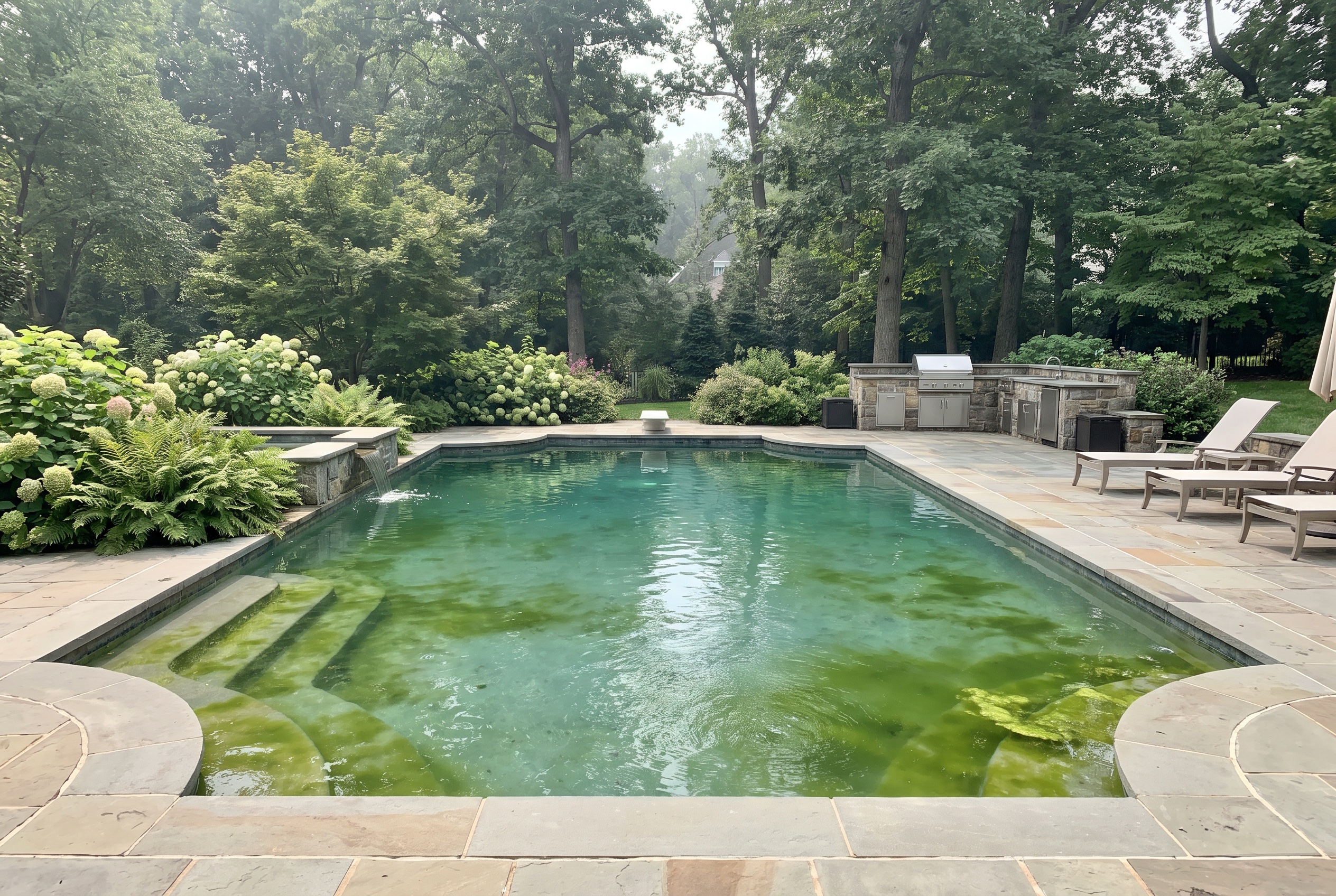
Constantly adding fresh water also changes pool chemistry. Every refill can dilute chlorine, stabilizer, salt, alkalinity, calcium, and other chemical levels. That can make the water harder to balance and increase chemical use over time.
If water is escaping around the pool structure, it can also affect the surrounding soil. Depending on the location and severity of the leak, persistent water movement can contribute to erosion, shifting material, or wet areas around hardscaping and equipment.
Low water levels can create equipment problems too. If the water drops below the proper skimmer level, the pump may begin pulling air instead of water. That can cause loss of prime, weak circulation, and unnecessary stress on the pump.
How Professionals Find a Swimming Pool Leak
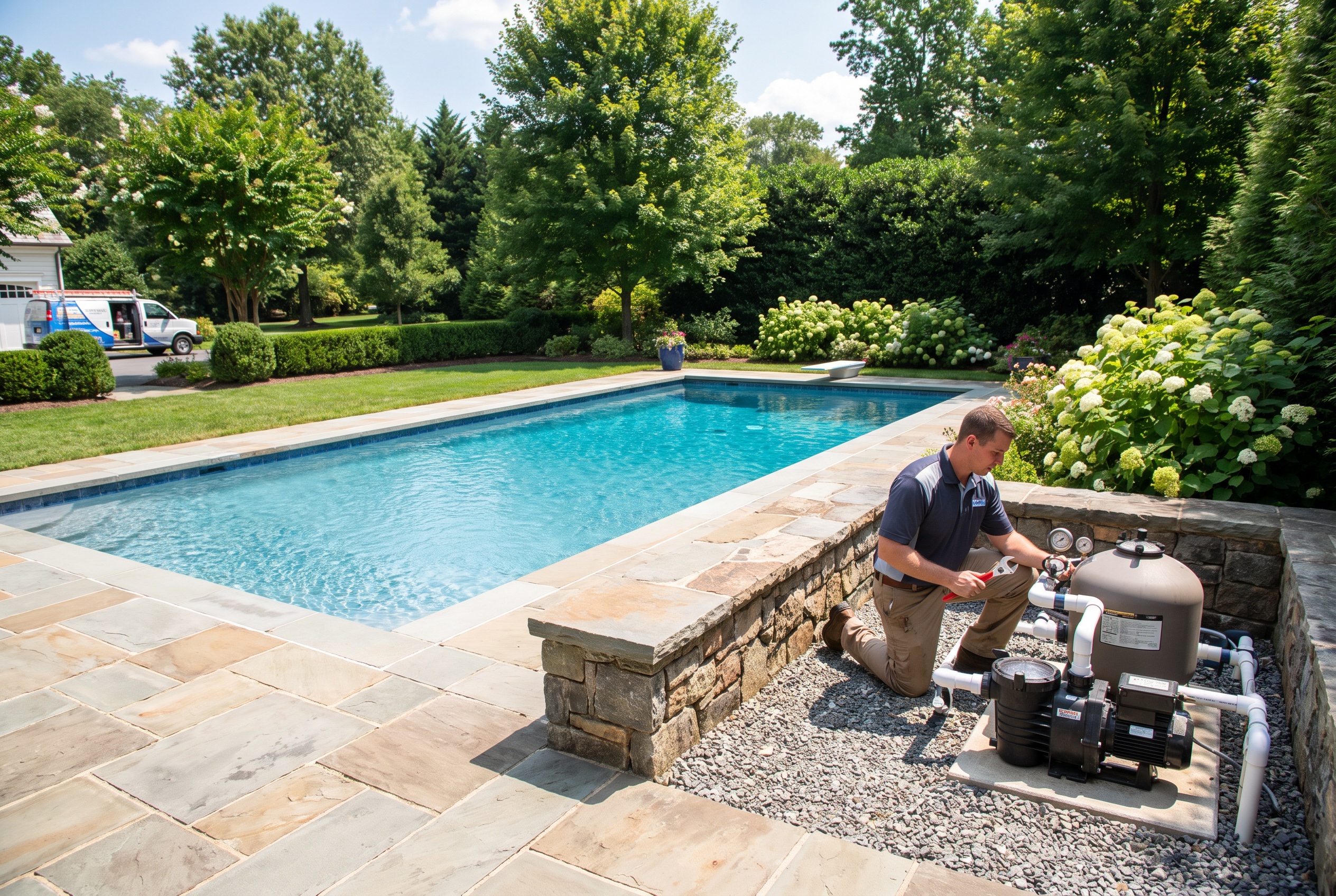
Professional leak detection starts by narrowing down where the water is escaping. A technician may inspect the equipment pad, pump seals, plumbing, visible fittings, skimmers, returns, pool surfaces, and water features before moving into more specialized testing.
McLean Pool & Spa provides pool leak detection and repair services for Northern Virginia homeowners. When a plumbing leak is suspected, technicians can perform a pressure test on individual lines in the system. If a line does not hold pressure, specialized equipment can then be used to narrow down the location of the leak.
This approach is useful because a homeowner may know the pool is losing water without having any visible clue where that water is going. Pressure testing helps distinguish plumbing problems from evaporation, surface leaks, and other causes.
What to Do If Your Pool Keeps Losing Water
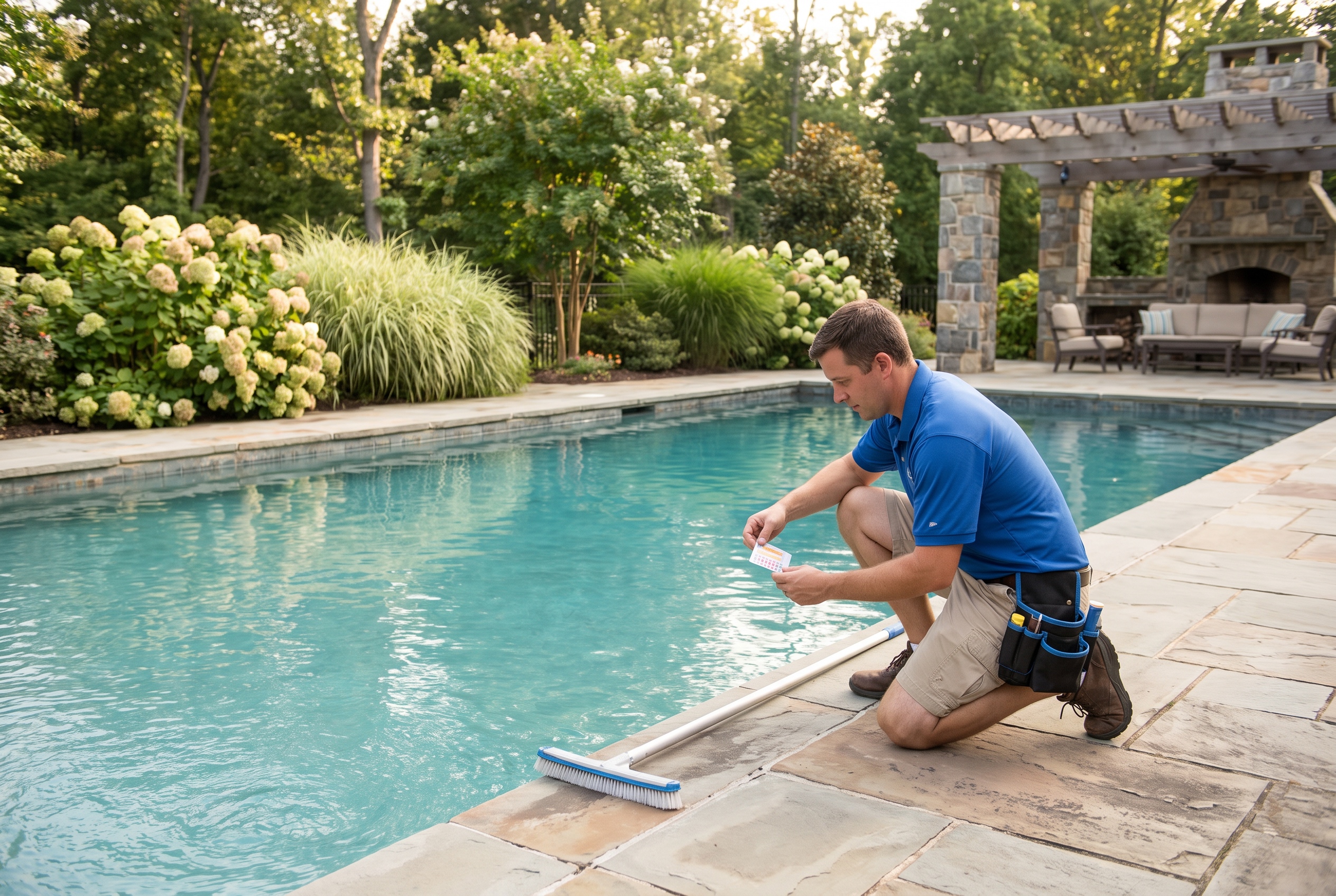
If you suspect a leak, start by paying attention to the rate of water loss. Mark the waterline and monitor it over a day or two. If conditions allow, an evaporation bucket test can give you a useful comparison.
Check the equipment area for visible drips or wet spots and make sure the pool is filled to its normal operating level. Watch for air bubbles, changes in circulation, or signs that the pump is having trouble staying primed.
Avoid repeatedly topping off the pool for weeks without investigating why the level keeps falling. Automatic fillers can make leaks especially easy to miss because they quietly replace the lost water.
If your pool is consistently losing more water than expected, McLean Pool & Spa can inspect the system and determine whether professional leak detection is needed. Contact McLean Pool & Spa to schedule service in McLean, Great Falls, Vienna, Oakton, Arlington, or surrounding Northern Virginia communities.
FAQ
How much pool water loss is normal?
Some daily water loss is normal because of evaporation, splashing, wind, and swimmer use. The amount varies with weather and pool conditions. A sudden increase or consistently excessive loss may indicate a leak.
How can I tell whether my pool is leaking or evaporating?
An evaporation bucket test can help. If the pool water level drops noticeably farther than the water inside a bucket exposed to the same conditions, the pool may have a leak.
Can a pool leak cause air bubbles in the returns?
Yes. Certain suction-side plumbing leaks can allow air into the circulation system. Air bubbles can also have other causes, such as low water level, a loose pump lid, or worn seals, so the system should be inspected before assuming the source.
How do professionals locate underground pool leaks?
One common method is pressure testing individual plumbing lines. If a line fails to hold pressure, technicians can use specialized leak-detection equipment to narrow down the problem area and recommend the appropriate repair.