Pool Cover Maintenance: What to Check After Your Pool Is Closed

Why Pool Cover Maintenance Still Matters After Closing Day

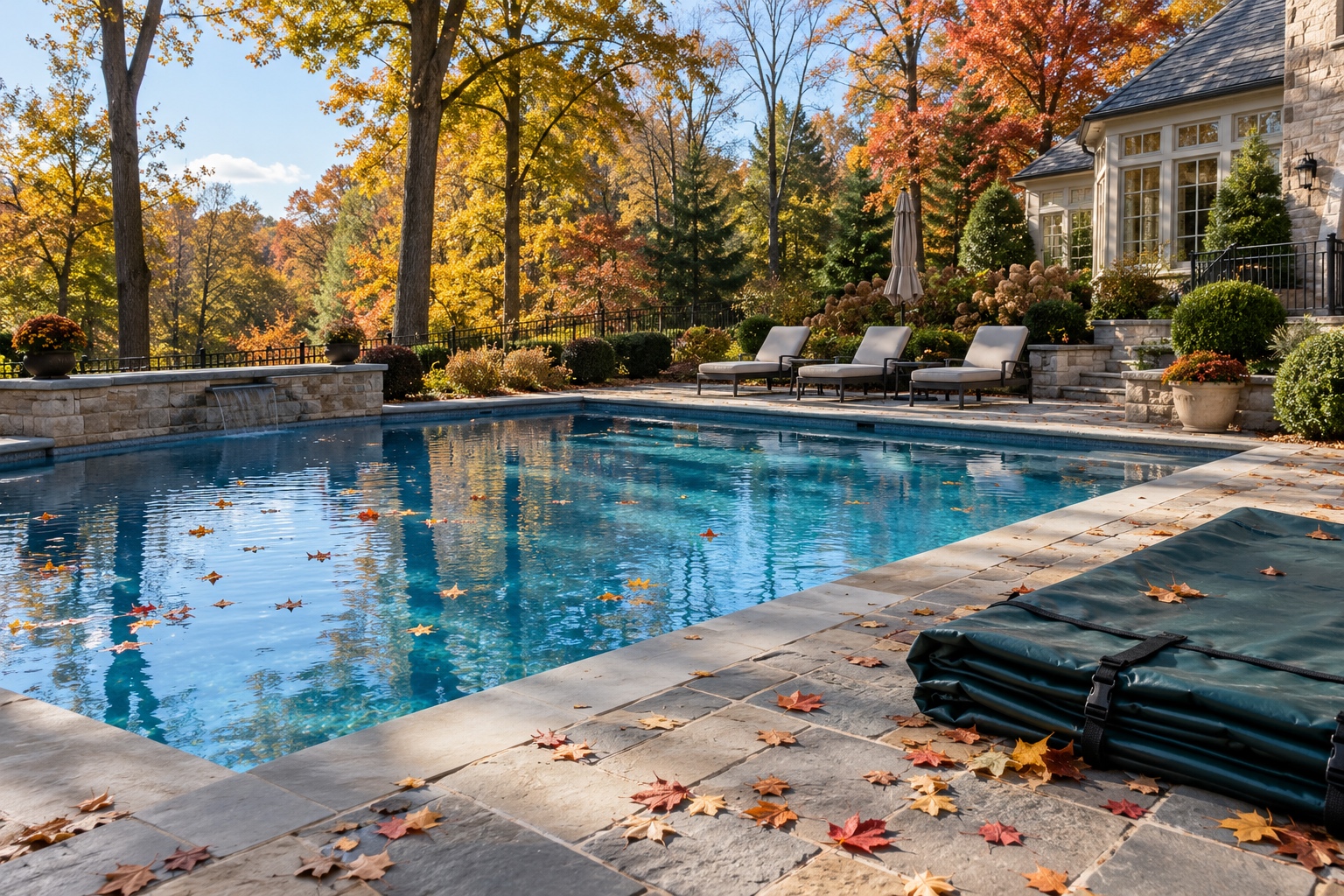
Once the pool is winterized and the cover is installed, it is tempting to forget about it until spring. A little pool cover maintenance during the off-season, however, can help protect the cover itself and reveal problems around the pool before they become more difficult to address.

Northern Virginia winters can put a cover through a surprising range of conditions. Falling leaves may be followed by heavy rain, freezing nights, occasional snow, strong winds, and repeated cycles of freezing and thawing. A cover that looked perfect on closing day may need attention after several weeks of autumn debris and changing weather.

Checking the cover periodically does not mean reopening the pool. It simply means making sure the system that is protecting the pool is still doing its job.

Keep Leaves and Heavy Debris From Building Up

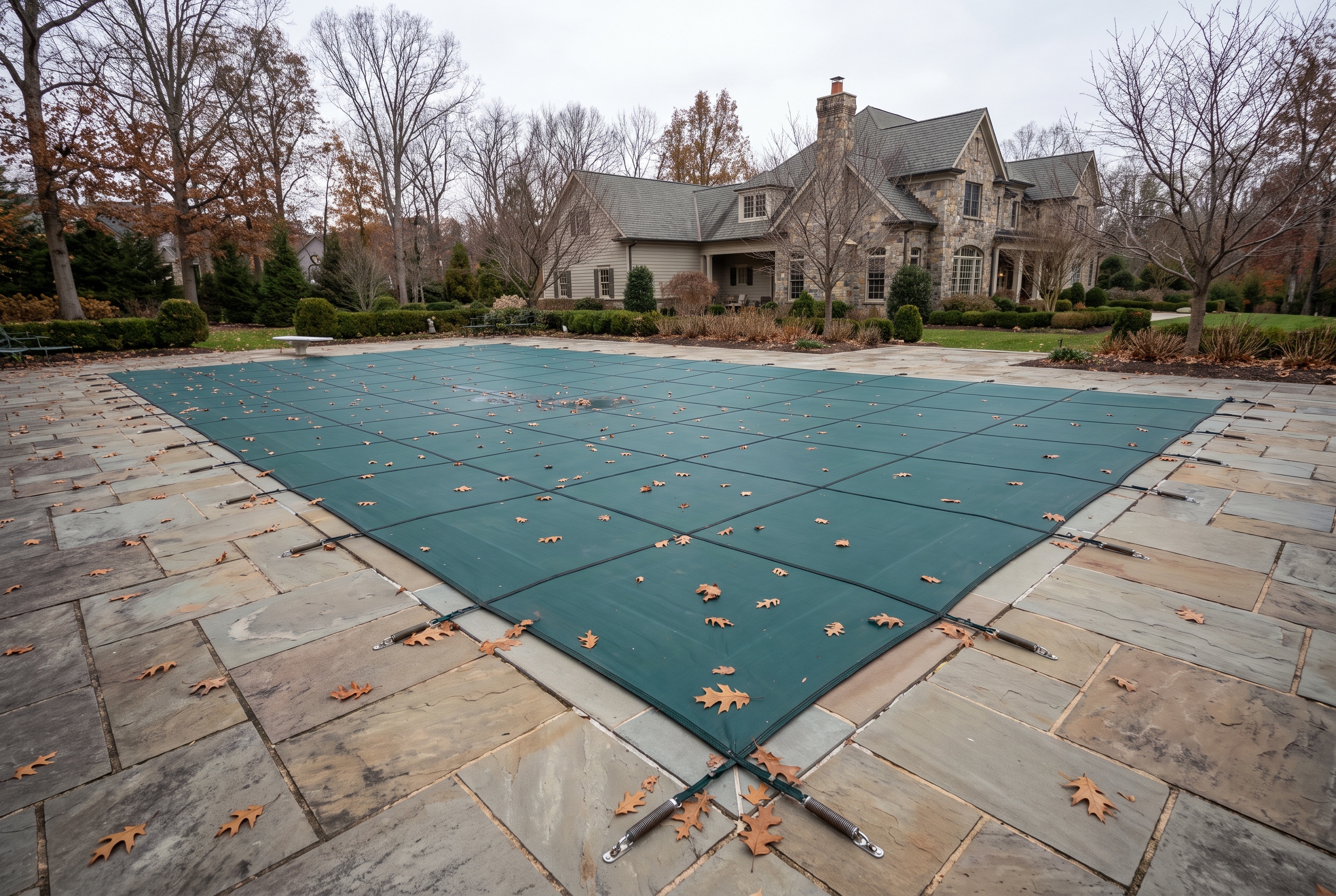
Leaves are one of the first challenges after a Northern Virginia pool closes. Properties with mature trees in McLean, Great Falls, Vienna, and surrounding communities can accumulate a substantial amount of debris during late fall.

A few leaves are not an emergency, but allowing wet leaves, branches, acorns, and other material to pile up can place unnecessary weight on the cover. Organic material also holds moisture and can stain or soil cover fabric over time.

Debris should be removed carefully without dragging sharp branches or tools across the cover. How the cover should be cleaned depends on its design and manufacturer recommendations. The goal is to keep excessive material from remaining on the surface for months at a time.

McLean Pool & Spa’s Winter Watch Program includes clearing debris from the pool cover and deck during off-season service visits, along with several other winter checks.

Inspect Straps, Springs, Anchors, and Cover Edges

Winter safety covers depend on more than the fabric itself. The straps, springs, and deck anchors around the pool keep the cover positioned and properly tensioned.

Walk around the perimeter periodically and look for obvious changes. A strap that has gone unusually slack, an anchor that has shifted, a spring that no longer looks properly tensioned, or a cover edge that has moved significantly may need attention.

Also look for tears, worn stitching, frayed straps, damaged hardware, or areas where the material appears to be stretching abnormally. Small problems are generally easier to address before winter weather puts additional stress on the cover.

The Pool & Hot Tub Alliance recommends checking pool covers periodically for damage and maintaining them according to manufacturer instructions. Damaged covers should be repaired or replaced as appropriate.

Pay Attention to Water on Solid Covers

Different types of covers behave differently during rain and snow. Mesh safety covers allow precipitation to pass through into the pool. Solid covers prevent most water from passing through, which means rainwater or melting snow may collect on top.

If your solid cover uses a cover pump, make sure the pump and drainage path remain functional according to the manufacturer’s instructions. Leaves can interfere with drainage, and standing water can add considerable weight to the cover.

Automatic covers have their own maintenance requirements and should also be kept reasonably free of leaves, standing water, and other loads that could strain the fabric or operating mechanism.

If a cover is sagging significantly, damaged, or no longer operating normally, avoid forcing it or attempting major adjustments yourself. McLean Pool & Spa provides winter safety cover and automatic pool cover service, including installation and service for existing covers.

Check the Pool Water Level Beneath the Cover

The cover is only one part of winter pool protection. The water level underneath it matters too.

Water levels can change during the off-season because of precipitation, evaporation, drainage, or a possible leak. Depending on the cover and pool configuration, water that rises too high or falls too low can create problems.

McLean Pool & Spa monitors and adjusts water levels as part of its Winter Watch visits. Their professional pool closing service also accounts for cover type when setting the initial closing water level. For example, their standard closing procedure does not lower the water below the return lines when solid winter or automatic covers are being used.

If the water level changes dramatically after closing, especially without an obvious weather-related explanation, it may be worth having the pool inspected.

Watch for Damage After Storms, Ice, and Snow

Winter weather does not have to be dramatic to affect a pool cover. Wind can move branches onto the surface. Repeated freezing and thawing can turn accumulated water into ice. Snow can conceal debris or damage that was not obvious beforehand.

After significant weather, visually inspect the cover from the deck. Look for unusual sagging, shifted straps, damaged anchors, torn fabric, fallen limbs, or anything else that appears different from before the storm.

Avoid walking onto the cover simply to inspect or clean it. Even when a safety cover is designed as a protective barrier, maintenance should be performed according to its intended use and manufacturer instructions.

Do Not Ignore What Is Happening Under the Cover

Cover maintenance is also an opportunity to think about the pool underneath. A properly winterized pool should not require normal in-season care, but water chemistry and debris conditions can still change over several months.

This is one reason McLean Pool & Spa’s Winter Watch service includes pulling back the cover when appropriate to remove debris, checking water chemistry, adding winter shock or algaecide when needed, inspecting equipment for possible winter damage, and then securing the cover again.

Periodic winter checks can be especially useful after a warm spell. Northern Virginia winters sometimes include stretches of relatively mild weather, and warmer water can increase biological activity beneath the cover.

When a Pool Cover Needs Professional Service

A cover should be inspected professionally if you notice torn fabric, damaged straps or springs, loose or failing anchors, unusual sagging, problems with an automatic cover mechanism, or a cover that no longer fits or tensions the way it did when installed.

Waiting until spring can leave the pool exposed for the remainder of winter and may allow a manageable repair to become more involved.

McLean Pool & Spa installs and services both mesh and solid winter safety covers as well as automatic pool covers throughout Northern Virginia. If your cover has been damaged or you would rather have your closed pool checked periodically through winter, contact McLean Pool & Spa to schedule cover service or a Winter Watch visit.

FAQ

How often should I check my pool cover during winter?

There is no single schedule that fits every property, but it is wise to inspect the cover periodically and after significant storms, heavy leaf fall, snow, ice, or high winds.

Should I remove leaves from my winter pool cover?

Yes. Excessive leaves and other organic debris can hold moisture and add weight to the cover. Remove them carefully using methods appropriate for your particular cover.

Is standing water normal on a solid pool cover?

Some rain or melted snow may collect on a solid cover. If the system uses a cover pump, keep it operating according to manufacturer instructions and prevent debris from interfering with drainage.

When should a winter pool cover be repaired or replaced?

Tears, damaged straps, failing springs or anchors, excessive wear, poor fit, or problems maintaining proper tension are all reasons to have the cover inspected. Automatic covers should also be serviced if their tracks, fabric, or operating mechanism stop working normally.
How to Winterize a Pool in Northern Virginia

What It Takes to Properly Winterize a Pool in Northern Virginia

Learning how to winterize a pool in Northern Virginia means preparing much more than the water itself. A proper closing protects plumbing lines, pumps, filters, heaters, skimmers, pool surfaces, and the cover through months of cold weather and repeated temperature swings.

That matters in Northern Virginia because winter is rarely one long, consistent freeze. Temperatures may drop below freezing at night and climb well above it during the day. Water trapped inside plumbing or equipment can freeze, expand, thaw, and freeze again, placing stress on components that were never meant to hold ice.

Professional winterization is designed to remove or isolate that risk while leaving the pool in good condition for spring. The process starts before the cover goes on.

Clean and Balance the Pool Before Closing

A pool should go into winter clean. Leaves, dirt, algae, and organic debris do not disappear simply because the pool is covered. Left behind for several months, they can contribute to staining, cloudy water, algae growth, and a much more difficult spring opening.

The pool should be skimmed, vacuumed, and brushed before closing. Water chemistry should also be tested and adjusted so pH, alkalinity, sanitizer, and other important levels are appropriate for the off-season.

The U.S. Environmental Protection Agency recommends cleaning pool water, balancing pool chemicals, and using winterization chemicals when needed as part of winter preparation. It also advises draining water from pumps, filters, heaters, and piping before freezing temperatures arrive.

Homeowners can review the EPA’s WaterSense pool maintenance guidance for additional information on seasonal pool care.

Protect the Plumbing From Freezing Water

Plumbing protection is one of the most important parts of professional pool winterization. Water expands when it freezes. If enough water remains trapped inside a return line, skimmer line, fitting, or other plumbing component, that expansion can crack the material or damage connections.

During McLean Pool & Spa’s standard closing process, return lines are blown out and plugged, and skimmers are winterized. The pool water level may also be lowered below the return lines when appropriate, although this is handled differently for pools with solid winter or automatic covers.

This part of winterization requires more than simply draining visible water. Plumbing systems contain bends, low points, valves, and underground sections where water can remain trapped. Proper equipment and technique are needed to clear those lines effectively.

Drain and Shut Down Pool Equipment Correctly

The equipment pad also needs to be prepared for winter. Pumps, filters, heaters, and related components can retain water after the pool is shut down. If that water freezes inside a housing, manifold, heat exchanger, or fitting, the resulting damage may not become apparent until spring.

McLean Pool & Spa’s closing procedure includes draining and removing plugs from the filtration system, powering down equipment, and closing the heater gas valve. These steps help reduce the risk of freeze damage while the system is inactive.

This is also a good time to notice existing problems. Leaks, deteriorated seals, damaged fittings, or equipment that was already struggling at the end of the swimming season should not simply be forgotten beneath a winter cover. McLean Pool & Spa provides pool repair services for pumps, filtration systems, heaters, leaks, and other equipment concerns.

Add Winter Chemicals With a Purpose

Winter chemicals help support water quality while normal circulation and sanitation are suspended. The exact treatment should be based on the pool’s chemistry and condition rather than a one-size-fits-all approach.

McLean Pool & Spa’s closing service includes checking and balancing the water and adding a closing chemical kit. Starting winter with properly prepared water helps limit algae and other water-quality problems beneath the cover.

Timing matters here too. If a pool is closed while the water is still very warm, algae remains more active and can consume sanitizer long after the circulation system has been shut down. Waiting until the water has cooled, while still closing before freeze risk becomes significant, generally creates better conditions for the off-season.

Install the Right Winter Cover

Once the pool and equipment are prepared, the cover becomes the physical barrier between the water and several months of leaves, branches, rain, snow, and other debris.

A winter safety cover should be correctly fitted, anchored, and tensioned. Loose straps, damaged fabric, worn springs, or faulty anchors can prevent the cover from performing as intended.

McLean Pool & Spa installs and services winter safety covers in both mesh and solid fabric options. Our pool cover services also include inspection and service for existing winter and automatic covers.

Cover choice affects winter care as well. Mesh covers allow precipitation through, while solid covers limit water and debris entry differently. Water level and cover condition should therefore be monitored according to the type of system installed.

Winterization Does Not Mean Forgetting the Pool Until Spring

A closed pool still benefits from periodic checks. Heavy leaves can collect on the cover. Anchors can loosen. Water levels can change. Winter storms can damage equipment or introduce debris beneath the cover.

McLean Pool & Spa’s pool maintenance and seasonal services include a Winter Watch Program with off-season visits between December and March. These visits can include removing debris from the cover and deck, checking cover anchors, inspecting equipment for possible winter damage, monitoring water level, and checking water chemistry beneath the cover.

For homeowners who travel frequently or simply do not want to monitor the pool through the coldest months, this can catch problems while there is still time to address them.

Why Professional Pool Winterization Matters

Winterizing a pool correctly is ultimately about avoiding spring surprises. A cracked plumbing line, freeze-damaged heater, displaced cover, or pool full of algae can quickly turn opening day into a repair project.

Professional closing gives each part of the system the attention it needs before freezing temperatures arrive. The pool is cleaned and balanced, plumbing is cleared and protected, equipment is drained, the heater is shut down correctly, skimmers are winterized, and the cover is installed for the months ahead.

If your swimming season is finished and nighttime temperatures are continuing to fall, McLean Pool & Spa can prepare your pool for winter throughout McLean, Great Falls, Vienna, Oakton, and surrounding Northern Virginia communities. Contact McLean Pool & Spa to schedule your professional pool closing and winterization.

FAQ

Do I need to drain my pool completely for winter?

No. Residential pools are generally not completely drained for normal winterization. Water level may be lowered as appropriate for the pool and cover type, while plumbing and equipment are separately cleared and protected.

Why do pool lines need to be blown out?

Water trapped in plumbing can expand when it freezes and damage pipes or fittings. Blowing out and plugging the lines helps remove water from vulnerable plumbing before freezing weather arrives.

Should pool water be balanced before winterizing?

Yes. Cleaning and balancing the water before closing helps protect pool surfaces and improves the chances of maintaining better water quality through the off-season.

Does a winterized pool need maintenance during winter?

Occasional checks are recommended. Covers, water level, equipment, debris, and water chemistry can all change during the winter, particularly after storms or periods of repeated freezing and thawing.

When Should You Close Your Pool in Northern Virginia?

How to Know When It Is Time to Close Your Pool in Northern Virginia

Knowing when to close your pool in Northern Virginia is less about picking a date on the calendar and more about watching the water, the weather, and how often you are still using the pool. Some years, September stays warm enough for comfortable swimming well into the month. Other years, cool nights arrive early and water temperatures begin dropping quickly.

Closing at the right time helps protect plumbing and equipment from winter damage while giving the water a better chance of staying clear beneath the cover. Close too early, while the water is still warm, and algae may continue growing after circulation stops. Wait too long, and freezing weather can arrive before the plumbing and equipment have been properly winterized.

For homeowners in McLean, Great Falls, Vienna, Oakton, Arlington, and surrounding Northern Virginia communities, the ideal closing window changes somewhat from year to year. That makes water temperature and the forecast more useful than a fixed date.

Watch the Water Temperature, Not Just the Air

A few chilly nights do not necessarily mean pool season is over. Pool water holds heat longer than the surrounding air, especially after a warm summer. Even when morning temperatures feel decidedly autumnal, the pool itself may still be relatively warm.

A common rule of thumb is to wait until the water temperature is consistently around 60°F or lower before closing. Cooler water slows biological activity and makes algae less likely to become established while the pool sits covered and without normal circulation.

That does not mean homeowners should wait indefinitely for the coldest possible water. Winterization should still be completed before freezing temperatures pose a real threat to exposed plumbing and equipment. In Northern Virginia, the sweet spot is often that period when swimming has mostly stopped, the water has cooled substantially, and hard freezes have not yet become an immediate concern.

Why Closing the Pool Too Early Can Cause Problems

Once the pool is closed, normal filtration and sanitation routines change dramatically. If the water is still warm, algae and other organic growth can remain active beneath the cover.

That can turn an otherwise clean fall pool into a green, cloudy surprise when the cover comes off in spring. Starting with clean, properly balanced, cooler water gives winter chemicals a much easier job.

If your family has stopped swimming but the water is still warm, continue basic pool maintenance for a little longer. Keep the water balanced, remove falling leaves and debris, maintain circulation, and watch the temperature rather than rushing into winterization simply because Labor Day has passed.

Waiting Too Long Has Its Own Risks

The other side of the timing equation is freeze protection. Pool plumbing, pumps, filters, heaters, skimmers, and other equipment can contain water even after the swimming season is over. If that water freezes in the wrong place, expansion can damage pipes, fittings, or equipment components.

This is especially relevant in Northern Virginia because fall weather can swing quickly. Pleasant afternoons can give way to much colder nights, and the region’s winter freeze-thaw cycles can be hard on pool systems that were not prepared correctly.

A professional pool closing and winterization involves much more than shutting off the pump and putting on a cover. Plumbing lines need to be protected, filtration equipment drained appropriately, skimmers winterized, water chemistry prepared for the off-season, and the cover installed correctly.

Leaves Can Help Decide the Timing Too

Temperature is the biggest factor, but the trees around your property matter as well. Heavily wooded properties in McLean and Great Falls can see enormous amounts of leaves, acorns, seed pods, and other organic debris once fall gets underway.

If the pool remains open deep into leaf season, skimmers, baskets, and filters may require significantly more attention. Allowing leaves to sit on the floor can also contribute to staining and increase the amount of organic material breaking down in the water.

This does not mean you should close a warm pool simply to avoid raking leaves. Instead, it is another factor to weigh once the water has cooled and regular swimming has largely ended. At that point, closing may save considerable cleanup while protecting the pool for winter.

Prepare the Water Before the Cover Goes On

A good closing starts before winterization day. The pool should be clean, free of heavy debris, and properly balanced. Putting a cover over dirty or poorly balanced water simply gives those problems several months to sit.

Water balance is also important for the pool surface and equipment. Chemistry that is significantly out of range can contribute to scaling, staining, or corrosion while the pool is closed.

Once the pool is prepared, the winter cover becomes the first line of defense against leaves, debris, and accidental entry. The U.S. Department of Energy also notes that pool covers reduce evaporation and heat loss, demonstrating how effectively a physical barrier separates the pool water from outside conditions. Homeowners interested in the broader benefits can review the DOE’s pool efficiency guidance.

If your existing winter or automatic cover is damaged, loose, difficult to operate, or nearing the end of its useful life, McLean Pool & Spa also provides winter safety cover and automatic pool cover service.

Do Not Forget About the Pool After Closing

Winterization protects the pool, but the off-season still deserves occasional attention. Covers can collect debris, water levels can change, anchors and straps can shift, and severe weather can expose problems that were not visible during closing.

McLean Pool & Spa offers a Winter Watch program with off-season visits that can include clearing debris, inspecting covers and anchors, checking equipment for winter damage, monitoring the water level, and testing the water beneath the cover.

That kind of follow-up can be particularly useful for homeowners who travel frequently or simply do not want to wonder what is happening beneath the cover for several months.

Schedule Your Pool Closing Before the Calendar Fills Up

The best time to schedule a closing is often before the exact closing date arrives. Once Northern Virginia nights cool down and water temperatures begin dropping, many homeowners reach the same conclusion at roughly the same time.

You can reserve a closing date while continuing to enjoy the pool until conditions are right. The goal is to avoid closing while the water is unnecessarily warm without waiting so long that an early freeze becomes a scramble.

McLean Pool & Spa provides professional pool closing and winterization throughout Northern Virginia. If your pool is cooling down and swimming season is winding to a close, schedule your closing so the pool, plumbing, equipment, and cover are properly prepared before winter arrives.

FAQ

What temperature should my pool be before I close it?

A common guideline is to wait until the water is consistently around 60°F or lower. Cooler water reduces algae activity, but the pool should still be winterized before freezing weather threatens plumbing or equipment.

Is September too early to close a pool in Northern Virginia?

It can be, depending on the year. If September remains warm and the pool water is still well above 60°F, continuing normal maintenance for a while longer may lead to better water conditions beneath the winter cover.

What happens if I wait too long to winterize my pool?

If freezing weather arrives while water is still trapped in vulnerable plumbing or equipment, expansion can damage pipes, fittings, pumps, filters, heaters, or skimmers. Winterization should be completed before that becomes a risk.

Do I need to clean the pool before closing it?

Yes. Leaves, debris, algae, and poorly balanced water should be addressed before the pool is covered. Starting the winter with clean, balanced water generally makes off-season care and spring opening easier.

Why Is My Pool Losing Water? Signs You May Have a Leak

When a Pool Losing Water May Be More Than Normal Evaporation

If your pool is losing water, some drop in water level is completely normal. Sun, wind, low humidity, splashing, and swimmers getting in and out all remove water from a pool. During a hot Northern Virginia summer, evaporation alone can be noticeable.

The question is how much water loss is normal and when it starts pointing to a leak.

A pool that suddenly needs frequent refilling, loses significantly more water than usual, or continues dropping even during mild weather deserves a closer look. Leaks can develop in plumbing, pump seals, fittings, pool surfaces, lights, skimmers, or other parts of the circulation system. Finding the source early can prevent wasted water and reduce the chance of damage around the pool or equipment pad.

Evaporation vs. a Pool Leak

Evaporation changes from day to day. Hot temperatures, direct sunlight, wind, dry air, and heated pool water can all increase water loss. Rainy or humid weather may slow it down. That variability is one reason homeowners sometimes have trouble deciding whether a dropping water level is actually a problem.

The U.S. Environmental Protection Agency recommends an evaporation bucket test as a simple way to compare normal water loss with the pool itself. The idea is straightforward: place a bucket of pool water on a step or bench, mark the water level in both the bucket and pool, and compare them after about 24 hours. If the pool drops farther than the bucket, a leak may be present.

EPA WaterSense provides detailed instructions in its pool water efficiency guide. The agency also notes that losing more than about two inches of water per week can be a sign of leakage, although local weather conditions and evaporation rates still need to be considered.

Common Signs Your Pool May Be Leaking

A dropping waterline is the most obvious clue, but it is not the only one. Pool leaks often leave other evidence.

You may notice that the automatic fill seems to run much more often than usual, or that you are adding water every few days despite normal weather. Wet or unusually soft areas near the pool, plumbing, or equipment pad can also point to escaping water.

Other warning signs include cracks around the pool, loose or damaged fittings, unexplained changes in water chemistry, or water loss that continues even when the circulation system is turned off.

Air in the system can be another clue. If bubbles are consistently appearing through the return jets or inside the pump basket, there may be a suction-side plumbing issue or another circulation problem. Our guide to pool pump problems covers several other reasons air can enter the system, including low water level, pump lid issues, worn O-rings, and plumbing restrictions.

Where Pool Leaks Commonly Develop

Leaks can occur almost anywhere water moves through or contacts the pool system. Some are easy to see. Others may be underground or hidden behind the pool structure.

Pump seals and plumbing fittings can begin leaking as components age. Underground suction and return lines may develop cracks or damaged joints. Skimmers, lights, drains, and the connections between plumbing and the pool shell can also become leak points.

The pool structure itself may be involved. Cracks, deteriorating sealant, damaged tile areas, or aging surfaces can sometimes allow water to escape. A leak may also occur around attached spas or water features, which add additional plumbing and connections to the system.

In Northern Virginia, seasonal temperature swings add another consideration. McLean Pool & Spa notes that the Mid-Atlantic’s winter freeze-thaw cycles can contribute to hidden plumbing leaks. Water inside or around vulnerable components expands and contracts as temperatures change, which can expose weaknesses that are not obvious until the pool is back in regular use.

Why a Leak Can Affect More Than Your Water Bill

A swimming pool leak wastes water, but the consequences can extend beyond the amount needed to refill the pool.

Constantly adding fresh water also changes pool chemistry. Every refill can dilute chlorine, stabilizer, salt, alkalinity, calcium, and other chemical levels. That can make the water harder to balance and increase chemical use over time.

If water is escaping around the pool structure, it can also affect the surrounding soil. Depending on the location and severity of the leak, persistent water movement can contribute to erosion, shifting material, or wet areas around hardscaping and equipment.

Low water levels can create equipment problems too. If the water drops below the proper skimmer level, the pump may begin pulling air instead of water. That can cause loss of prime, weak circulation, and unnecessary stress on the pump.

How Professionals Find a Swimming Pool Leak

Professional leak detection starts by narrowing down where the water is escaping. A technician may inspect the equipment pad, pump seals, plumbing, visible fittings, skimmers, returns, pool surfaces, and water features before moving into more specialized testing.

McLean Pool & Spa provides pool leak detection and repair services for Northern Virginia homeowners. When a plumbing leak is suspected, technicians can perform a pressure test on individual lines in the system. If a line does not hold pressure, specialized equipment can then be used to narrow down the location of the leak.

This approach is useful because a homeowner may know the pool is losing water without having any visible clue where that water is going. Pressure testing helps distinguish plumbing problems from evaporation, surface leaks, and other causes.

What to Do If Your Pool Keeps Losing Water

If you suspect a leak, start by paying attention to the rate of water loss. Mark the waterline and monitor it over a day or two. If conditions allow, an evaporation bucket test can give you a useful comparison.

Check the equipment area for visible drips or wet spots and make sure the pool is filled to its normal operating level. Watch for air bubbles, changes in circulation, or signs that the pump is having trouble staying primed.

Avoid repeatedly topping off the pool for weeks without investigating why the level keeps falling. Automatic fillers can make leaks especially easy to miss because they quietly replace the lost water.

If your pool is consistently losing more water than expected, McLean Pool & Spa can inspect the system and determine whether professional leak detection is needed. Contact McLean Pool & Spa to schedule service in McLean, Great Falls, Vienna, Oakton, Arlington, or surrounding Northern Virginia communities.

FAQ

How much pool water loss is normal?

Some daily water loss is normal because of evaporation, splashing, wind, and swimmer use. The amount varies with weather and pool conditions. A sudden increase or consistently excessive loss may indicate a leak.

How can I tell whether my pool is leaking or evaporating?

An evaporation bucket test can help. If the pool water level drops noticeably farther than the water inside a bucket exposed to the same conditions, the pool may have a leak.

Can a pool leak cause air bubbles in the returns?

Yes. Certain suction-side plumbing leaks can allow air into the circulation system. Air bubbles can also have other causes, such as low water level, a loose pump lid, or worn seals, so the system should be inspected before assuming the source.

How do professionals locate underground pool leaks?

One common method is pressure testing individual plumbing lines. If a line fails to hold pressure, technicians can use specialized leak-detection equipment to narrow down the problem area and recommend the appropriate repair.

How to Extend Your Pool Season in Northern Virginia

Smart Ways to Extend Your Pool Season in Northern Virginia

Learning how to extend a pool season Northern Virginia homeowners can actually enjoy starts with one simple reality: the weather rarely follows the pool owner’s ideal calendar. Late summer can still be hot and humid, but mornings cool down. September can bring beautiful afternoons and chilly evenings. Spring often looks warm from the kitchen window before the pool water feels inviting.

For homeowners in McLean, Great Falls, Vienna, Oakton, Arlington, and surrounding Fairfax County communities, a pool is a major part of the backyard. But without the right equipment and maintenance plan, the comfortable swimming window may feel shorter than it should. Extending the season is about making the pool more usable before peak summer fully arrives and after the hottest weeks begin to fade.

The right strategy usually combines heating, consistent maintenance, water balance, covers, lighting, and equipment that can support the way the pool is actually used.

Pool Heating Makes the Biggest Difference

If the goal is to swim earlier in spring or later into fall, pool heating is usually the most direct solution. A heater gives homeowners more control over water temperature instead of relying entirely on sunlight and several warm days in a row.

That matters in Northern Virginia because air temperature and water temperature do not always move together. A sunny day in April or September may feel pleasant outside, while the pool still feels too cold for comfortable swimming. A heating system can help bridge that gap, especially for families who want to swim after work, host guests, exercise, or enjoy the pool during cooler evenings.

There are different ways to heat a pool, including gas heaters and heat pumps. The right choice depends on pool size, usage patterns, how quickly the homeowner wants the water heated, and the existing equipment setup. Homeowners can read more about the benefits of professional pool heater installation and how the right system can make a pool more comfortable through more of the year.

The U.S. Department of Energy explains that pool heating costs can be reduced through efficient equipment, proper operation, and good maintenance. Their swimming pool heating and maintenance guidance is a useful resource for homeowners comparing heating options.

Covers Help Hold Onto Heat

A pool heater can add warmth, but a cover helps keep that warmth from disappearing. Water loses heat through evaporation, especially during cool nights or breezy weather. A cover can reduce heat loss, help retain water temperature, and limit the amount of debris entering the pool.

This can be especially helpful late in the season. A warm afternoon may make the pool usable, but cooler overnight temperatures can pull heat from the water. Using a cover when the pool is not in use can help preserve more of that warmth, making the pool more comfortable the next day.

Covers also reduce the workload on the pool system by limiting leaves, pollen, insects, and other debris. That matters in wooded areas like McLean and Great Falls, where falling organic material can quickly increase sanitizer demand and strain filtration.

Maintenance Keeps the Water Ready When the Weather Cooperates

Extending the season does not help much if the pool is cloudy, unbalanced, or fighting algae when a beautiful weekend arrives. Late summer and early fall pool care requires consistency because the water is still warm enough for algae, while leaves and organic debris may begin increasing.

Regular pool maintenance services help keep the water balanced, baskets cleared, surfaces brushed, and equipment checked. That steady attention is important when the pool is being used less predictably. A family may skip swimming for several cooler days, then want the pool ready as soon as the weather warms again.

In Northern Virginia, seasonal transitions can be tricky. Humid late-summer weather, sudden storms, pollen, leaf debris, and changing temperatures can all affect water quality. Consistent maintenance gives the pool a better chance of staying clear and ready rather than needing a recovery visit before it can be enjoyed.

Lighting Makes Later Swims More Inviting

Extending the pool season is not only about water temperature. It is also about comfort around the pool. By late summer, evenings arrive earlier. A pool that felt bright and welcoming at 8:30 p.m. in June may feel dark by early fall.

Good pool and landscape lighting can make evening use more comfortable and practical. Lighting improves visibility around steps, coping, patios, and walkways. It also helps the backyard feel like a usable outdoor living space after sunset.

For homeowners who entertain or use the pool after work, lighting can be part of the season-extension plan. Warm water matters, but the surrounding space needs to feel comfortable too.

Equipment Reliability Matters More Late in the Season

Aging or unreliable equipment can shorten the practical pool season. If the pump is weak, the filter is struggling, the heater is inconsistent, or automation is not working properly, the pool may become harder to manage just when the homeowner is trying to enjoy the last good weeks of the year.

Warning signs include weak return flow, cloudy water that keeps coming back, heater error codes, unusual pump noise, air bubbles, water loss, or equipment that shuts off unexpectedly. These issues can affect water temperature, water clarity, and overall pool comfort.

McLean Pool & Spa provides pool repair services for pumps, filtration systems, heaters, leaks, automation, and related equipment. Addressing equipment problems before the season winds down can make the pool easier to enjoy now and easier to prepare later.

Plan Around How You Actually Use the Pool

The best way to extend pool season in Northern Virginia depends on how the pool is used. A family that swims daily may benefit from a different heating and maintenance approach than a homeowner who mostly uses the pool for weekend gatherings. A shaded pool may need more heating support than a pool in full sun. A property with heavy tree cover may need more aggressive debris control.

Homeowners should think about when they want to swim, what temperature feels comfortable, how often they entertain, whether evenings matter, and how much hands-on maintenance they want to handle. Those answers help determine whether the priority should be a heater, cover, maintenance plan, equipment repair, lighting, or a combination of improvements.

McLean Pool & Spa helps homeowners throughout Northern Virginia keep their pools comfortable, clear, and ready to enjoy. If you want to get more usable weeks from your pool, contact McLean Pool & Spa to discuss maintenance, heating, and equipment options for your property.

FAQ

What is the best way to extend pool season in Northern Virginia?

The most effective approach usually combines pool heating, consistent maintenance, debris control, and a cover to help retain heat. The right plan depends on the pool’s size, shade, equipment, and how the homeowner uses it.

Does a pool heater help in spring and fall?

Yes. A pool heater can make the water more comfortable before summer fully arrives and after temperatures begin cooling in late summer or early fall.

Can a pool cover help keep the water warmer?

Yes. A cover can reduce heat loss, especially overnight, and can also limit debris entering the pool. This helps support both comfort and water quality.

Why does maintenance matter if I am using the pool less?

Even when the pool is used less often, water chemistry, debris, circulation, and filtration still need attention. Regular care helps keep the pool ready when warm weather returns or when homeowners want to swim unexpectedly.

Pool Pump Problems: Signs Your Pump Needs Repair or Replacement

Common Pool Pump Problems Homeowners Should Not Ignore

Pool pump problems can affect almost every part of your swimming pool. When the pump is working properly, it moves water through the filter, helps distribute chemicals, supports heating and sanitation, and keeps the pool from becoming stagnant. When it starts to fail, the symptoms may show up as cloudy water, weak circulation, algae growth, equipment noise, or a pool that becomes harder to keep balanced.

For homeowners in McLean, Great Falls, Vienna, Oakton, Arlington, and surrounding Northern Virginia communities, pump performance is especially important during the middle of summer. Heat, humidity, storms, pollen, leaves, and frequent swimming all increase the workload on the pool system. If the pump cannot keep water moving consistently, small water-quality problems can grow quickly.

Some pump issues are simple maintenance problems. Others point to a repair need or an aging pump that may be nearing replacement. The key is knowing which warning signs deserve attention before the pool becomes cloudy, green, or unusable.

Why the Pool Pump Matters So Much

The pool pump is the circulation engine of the pool. It pulls water from the skimmers and main drain, pushes it through the filter, and returns clean, treated water back to the pool. Without steady circulation, chlorine and other chemicals cannot distribute evenly, debris is harder to remove, and the filter cannot do its job effectively.

A struggling pump can make other parts of the system look like the problem. Homeowners may assume they have a chemical issue when the real issue is weak circulation. They may keep adding products to the water, only to see the same cloudy water or algae return because the pool is not moving and filtering properly.

That is why pump performance should be checked whenever water clarity, algae, or filtration problems keep coming back. The pump does not work alone, but when it falls behind, the rest of the pool usually feels it.

Warning Signs of Pool Pump Problems

One of the clearest warning signs is weak return flow. If the jets feel weaker than usual, the pump may not be moving enough water. This can happen because of clogged baskets, a dirty filter, an air leak, a blocked line, a worn impeller, or a pump that is losing performance.

Noise is another common clue. A pool pump should not screech, grind, rattle, hum loudly, or sound like it is working harder than normal. Unusual noise may point to bad bearings, motor problems, debris inside the impeller, vibration, or a pump that is struggling to prime.

Air bubbles returning to the pool can also signal trouble. A few bubbles during startup may not be unusual, but steady air in the return lines often means air is entering the system somewhere. That may come from a loose pump lid, worn O-ring, low water level, plumbing issue, or suction-side leak.

Other warning signs include a pump that shuts off unexpectedly, loses prime, overheats, leaks around the housing, trips a breaker, or fails to start. If the water keeps turning cloudy despite normal treatment, the pump and filtration system should be inspected.

How Pump Issues Affect Water Clarity

Pool water needs movement. When circulation slows down, debris and fine particles remain suspended longer, sanitizer does not reach every part of the pool evenly, and algae has more opportunity to develop in corners, steps, benches, and shaded areas.

This is especially noticeable during Northern Virginia summers. A thunderstorm can wash debris into the pool. A humid week can raise sanitizer demand. Heavy use can add sunscreen, lotions, sweat, and organic material. If the pump is already underperforming, the pool may not recover well from those normal summer conditions.

Regular pool maintenance services help catch these problems early through cleaning, water chemistry checks, basket cleaning, filter attention, and visual equipment inspections. Maintenance cannot prevent every repair, but it can reveal changes in flow, sound, pressure, or water clarity before they become larger problems.

Repair or Replacement: How Professionals Evaluate the Pump

A professional evaluation starts with the basics. The technician may check water level, skimmer baskets, pump basket, pump lid, O-rings, filter pressure, visible leaks, return flow, valves, and the condition of the motor. Sometimes the cause is as simple as restricted flow from debris or a seal that needs attention.

If the motor is noisy, overheating, leaking, or failing to start reliably, repair may be needed. If the pump is older, inefficient, repeatedly failing, or poorly matched to the pool, replacement may make more sense than continuing to repair it.

Energy use can also be part of the conversation. ENERGY STAR explains that variable-speed and multi-speed pool pumps can reduce energy costs, run more quietly, require less maintenance, and support better filtration at slower circulation rates compared with conventional single-speed pumps. ENERGY STAR’s pool pump guidance is a useful resource for homeowners comparing modern pump options.

McLean Pool & Spa provides pool repair services for pumps, filtration systems, heaters, leaks, automation, and related equipment. A technician can inspect the current system and recommend whether repair or replacement is the better long-term option.

Why Pool Pump Problems Are Worse During Peak Summer

Mid-summer is when the pool asks the most from the pump. The water is warmer, the pool is used more often, debris loads are higher, and chemical demand is less forgiving. A pump that seemed adequate in spring may start showing problems once it is running longer and working against summer conditions.

Wooded properties in McLean and Great Falls may see more leaves, seeds, pollen, and organic debris in the pool. Pools in full sun may need more consistent circulation to support sanitizer performance. After storms, baskets and filters can load up quickly. If those restrictions are not addressed, the pump has to work harder to move water.

That extra strain can expose weak seals, aging motors, poor priming, clogged impellers, or filter problems. This is one reason homeowners should take flow changes seriously during the busiest part of the season.

What Homeowners Can Check Before Calling for Service

There are a few simple things homeowners can check safely before scheduling service. Make sure the pool water level is high enough for the skimmer to draw properly. Empty the skimmer baskets and pump basket. Look for obvious debris around the pump area. Check whether the pump lid is secure and whether the filter pressure looks unusual compared with normal operation.

Homeowners should not open electrical components, force stuck valves, disassemble the pump motor, or continue running equipment that is overheating, leaking heavily, or tripping breakers. Those issues should be handled by a professional.

If the pump still sounds wrong, loses prime, shows weak flow, or the water does not clear after normal maintenance, it is time for a proper inspection. Pool equipment problems rarely improve by being ignored. They usually wait until the hottest weekend of the season, then decide to start causing problems.

Schedule Pool Pump Service in Northern Virginia

If you are dealing with pool pump problems, weak circulation, cloudy water, or equipment that does not sound right, McLean Pool & Spa can help. Our team serves homeowners throughout McLean, Great Falls, Vienna, Oakton, Arlington, and surrounding Northern Virginia communities.

Whether your pump needs cleaning, repair, troubleshooting, or replacement, professional service can help protect water clarity and keep your pool ready for summer use. To schedule an inspection or service visit, contact McLean Pool & Spa today.

FAQ

What are the most common signs of pool pump problems?

Common signs include weak return flow, unusual noise, air bubbles, leaks, overheating, loss of prime, cloudy water, poor skimmer action, or a pump that will not start reliably.

Can a bad pool pump cause cloudy water?

Yes. If the pump is not moving water properly, the filter cannot remove debris efficiently and chemicals may not circulate evenly. That can lead to cloudy water, algae growth, and recurring water-balance problems.

Should I repair or replace my pool pump?

That depends on the pump’s age, condition, efficiency, repair history, and whether it is properly sized for the pool. A professional inspection can help determine whether repair or replacement is the better choice.

Why does my pool pump keep losing prime?

A pump may lose prime because of low water level, air leaks, a loose pump lid, worn O-rings, clogged baskets, plumbing restrictions, or other suction-side problems. If it keeps happening, the system should be inspected.

Mid Season Pool Maintenance: What Northern Virginia Homeowners Should Check

Why Mid Season Pool Maintenance Matters During a Northern Virginia Summer

Mid season pool maintenance is one of the best ways to keep your pool clear, comfortable, and ready to use during the busiest part of the year. By mid-summer, your pool has already been through spring pollen, early-season balancing, storms, heat, heavy swimmer use, and weeks of regular filtration. Even if the water still looks good, the system may be working harder than it did at opening.

For homeowners in McLean, Great Falls, Vienna, Oakton, Arlington, and surrounding Northern Virginia communities, summer pool care is rarely static. Humidity, thunderstorms, wooded lots, sunscreen, leaves, grass clippings, and warm water can all increase the demand on your sanitizer and filtration system. A pool that was easy to manage in May may need more attention by July or August.

Mid-season care is about catching those changes before they become cloudy water, algae growth, equipment strain, or an unexpected service problem right when you want to use the pool most.

Start With Water Chemistry

Water balance is usually the first place to look during mid-summer maintenance. Chlorine, pH, alkalinity, calcium hardness, and stabilizer levels all affect water clarity, comfort, and equipment protection. When these readings drift, the pool may still look acceptable for a short time, but problems can build quickly.

pH is especially important because it affects how well chlorine works. If pH climbs too high, sanitizer can become less effective. If chlorine levels drop too low, algae and organic buildup have more opportunity to develop. The CDC’s home pool and hot tub water treatment guidance recommends maintaining proper pH and sanitizer levels to help keep pool water safe and comfortable.

In Northern Virginia, mid-summer weather can shift chemistry quickly. A heavy thunderstorm may dilute chemicals and add debris. A hot, sunny week may raise chlorine demand. A weekend with guests can introduce sunscreen, lotions, sweat, and other organic material. Regular testing helps prevent these normal summer conditions from turning into water problems.

Check Filtration and Circulation

Clear water depends on more than chemicals. The pool also needs strong circulation and effective filtration. During mid-season, filters may be carrying weeks of pollen, dust, oils, fine debris, and organic material. Skimmer baskets and pump baskets can fill quickly, especially on wooded properties or after storms.

Homeowners should pay attention to weak return flow, poor skimmer action, air bubbles, rising or falling filter pressure, noisy equipment, or water that stays dull even after chemical adjustments. These can be signs that the system is not moving or filtering water as well as it should.

Professional pool maintenance services help keep these details under control with regular cleaning, water chemistry checks, basket cleaning, brushing, vacuuming, filter attention, and visual equipment inspections. Mid-season is an ideal time to make sure the system is still keeping up with the pool’s actual workload.

Brush, Vacuum, and Remove Debris Before It Becomes a Problem

By the middle of the season, pool surfaces can collect more than visible leaves. Fine debris, pollen, dust, algae spores, and organic residue can settle along steps, corners, benches, tile lines, and shaded areas. These areas often have weaker circulation, which makes regular brushing especially important.

Brushing helps loosen material before it clings to surfaces or gives algae a foothold. Vacuuming removes debris from the floor before it breaks down and places more demand on the sanitizer. Skimming and basket cleaning help keep the circulation system from being restricted.

This kind of maintenance may seem routine, but it protects the entire pool system. When debris is allowed to build up, chlorine demand rises, filters work harder, and cloudy water becomes more likely. A clean pool is easier to balance, easier to filter, and less likely to need emergency attention.

Watch for Early Algae and Cloudy Water

Mid-summer is prime time for algae in Northern Virginia. Warm water, humidity, sudden storms, and heavy organic debris can create the right conditions for growth. Algae does not always start as a bright green pool. Often, the first signs are subtle.

Homeowners may notice slightly cloudy water, a slippery feeling on steps, dull-looking walls, or faint green or yellow patches near corners and shaded areas. If brushing creates a dusty cloud from the pool surface, algae may already be starting to develop.

The earlier algae is addressed, the easier it is to control. Waiting until the water turns green usually means more treatment, more filtration time, and more disruption. Mid season pool maintenance helps reduce that risk by keeping sanitizer levels steady, debris under control, and circulation strong.

Inspect Equipment Before Peak Use Takes a Toll

Pool equipment works hard during the middle of summer. Pumps run longer, filters carry more load, heaters may be used for evening comfort, and automation systems may be adjusted more often. A small issue on the equipment pad can become more noticeable during peak use.

Homeowners should listen for unusual pump noise, check for visible leaks, watch for error messages, and look for changes in water flow. If the pool is losing water faster than expected, struggling to stay clear, or showing signs of circulation problems, it may be time for a professional inspection.

McLean Pool & Spa provides pool repair services for issues involving leaks, filtration systems, pumps, heaters, and related equipment. Catching a repair need during mid-season can help prevent a larger interruption later in the summer.

Think Ahead to Late Summer and Fall

Mid-season maintenance also helps set up the rest of the year. A pool that is kept balanced and clean in July is usually easier to manage in August and September. It is also easier to prepare for closing when the water has not been fighting algae, cloudy conditions, or heavy debris for weeks.

If your pool needed extra cleanup after opening, had recurring cloudy water, or has already shown signs of algae, mid-season is a good time to review the maintenance routine. The goal is to avoid carrying summer problems into fall, when leaves and cooler nights add a new layer of stress.

A professional pool opening helps start the season properly, but consistent care through the middle of summer is what keeps the pool dependable when it is being used the most.

Schedule Mid Season Pool Maintenance With McLean Pool & Spa

Mid-summer should be when your pool is at its best. If the water is becoming harder to balance, the filter is struggling, algae keeps trying to appear, or the equipment does not seem to be performing normally, professional service can help restore confidence in the system.

McLean Pool & Spa helps homeowners throughout McLean, Great Falls, Vienna, Oakton, Arlington, and surrounding Northern Virginia communities keep their pools clean, balanced, and ready to enjoy. To schedule mid-season service or have a technician inspect your pool, contact McLean Pool & Spa today.

FAQ

What is mid season pool maintenance?

Mid season pool maintenance is a focused checkup during the busiest part of pool season. It typically includes water testing, chemical balancing, brushing, vacuuming, basket cleaning, filter attention, and equipment inspection.

Why does my pool need extra care in the middle of summer?

Heat, humidity, storms, pollen, debris, and frequent swimming all increase the demand on your pool’s sanitizer and filtration system. Mid-summer conditions can cause water chemistry to change quickly.

How can I tell if my pool filter needs attention?

Signs may include cloudy water, weak return flow, poor skimmer action, unusual filter pressure, or water that does not clear after normal treatment. A professional can inspect the filter and circulation system to identify the cause.

Can mid-season maintenance prevent algae?

It can greatly reduce the risk. Regular brushing, water testing, sanitizer control, debris removal, and strong circulation all help prevent algae from gaining a foothold during hot, humid weather.

Pool Algae Removal: How Professionals Handle Severe Algae Growth

How Pool Algae Removal Works When the Problem Has Already Spread

Pool algae removal becomes more involved once algae has moved beyond a few small spots on the steps or walls. A severe algae problem can turn water green, make surfaces slippery, clog filters, reduce visibility, and place extra strain on the pool’s circulation system. For homeowners in Northern Virginia, algae can spread quickly during humid summer weather, especially after storms, heavy use, or several days of low sanitizer levels.

At that point, simply adding more chlorine may not solve the problem. The pool needs to be tested, brushed, filtered, treated, and monitored until the water is clear and the underlying cause has been corrected. Professional algae treatment is about more than making the pool look better for a day. The goal is to restore safe, balanced water and prevent the problem from coming back.

Why Severe Pool Algae Develops

Algae usually grows when the pool gives it the right combination of sunlight, nutrients, warm water, weak sanitizer, and poor circulation. In McLean, Great Falls, Vienna, Oakton, Arlington, and surrounding Fairfax County communities, local conditions can make that combination more likely during the swimming season.

Spring pollen, wooded lots, summer thunderstorms, leaves, grass clippings, sunscreen, and heavy swimmer use all add organic material to the water. That material consumes sanitizer and gives algae more opportunity to grow. If the filter is dirty, baskets are full, the pump is not running long enough, or the water chemistry is out of range, the pool may not be able to recover on its own.

Water balance is especially important. The CDC’s home pool and hot tub water treatment guidance recommends maintaining proper pH and sanitizer levels to help keep pool water safe and comfortable. When pH is too high or chlorine levels are too low, algae becomes harder to control.

Warning Signs That Algae Needs Professional Attention

Not every algae issue starts as a fully green pool. Early signs may include cloudy water, slippery steps, dull-looking walls, green or yellow patches, or a fine dust-like layer on the pool floor. If those signs are caught early, the problem may be easier to correct.

Professional attention becomes more important when the water is dark green, visibility is poor, algae returns soon after treatment, or the filter cannot keep up with the cleanup. A pool that stays cloudy after repeated chemical treatment may have dead algae suspended in the water, a filtration problem, or a circulation issue that needs to be addressed.

Homeowners should also watch for weak return flow, clogged baskets, rising filter pressure, air bubbles, unusual pump noise, or algae growing repeatedly in the same areas. These symptoms can point to equipment problems that allow algae to return even after the water has been treated.

How Professionals Diagnose the Cause

A professional algae cleanup starts with diagnosis. The technician needs to understand why the algae developed before deciding how to treat it. That usually begins with a full water test, including sanitizer, pH, alkalinity, stabilizer, calcium hardness, and other relevant readings.

The equipment matters too. The pump, filter, skimmers, return flow, baskets, valves, and circulation pattern all affect how well the pool can recover. If water is not moving properly, chemicals may not reach every part of the pool. If the filter is overwhelmed, dead algae and fine debris may remain suspended in the water.

During regular pool maintenance, these issues are often caught before they become severe. Once algae is already widespread, the same details become part of the recovery plan.

The Professional Pool Algae Removal Process

Once the cause is understood, the pool can be treated methodically. The exact process depends on the severity of the algae, the pool surface, the equipment, and the water test results, but most professional algae treatment follows a similar sequence.

First, the pool is cleaned and brushed thoroughly. Brushing is important because algae can cling to walls, steps, corners, ladders, benches, lights, and textured surfaces. Breaking it loose allows the sanitizer and filtration system to work more effectively.

Next, the water chemistry is adjusted. pH and alkalinity may need to be corrected before sanitizer treatment is effective. Then the pool may be shocked or treated with the appropriate chemicals based on the condition of the water. This step should be handled carefully because guessing at chemical amounts can waste product, damage balance, or create new water problems.

After treatment, filtration becomes the workhorse. The pump may need to run longer than usual while the filter removes dead algae and suspended material. Filters may need to be cleaned, backwashed, or inspected during the process. In more severe cases, vacuuming to waste or repeated cleaning visits may be needed to remove debris without overloading the filtration system.

Why Algae Sometimes Comes Back

Recurring algae is one of the clearest signs that the visible growth was treated but the underlying condition was not solved. The pool may need more consistent water testing, better brushing, longer circulation time, filter service, or equipment evaluation.

In some cases, aging equipment is part of the problem. A weak pump, undersized filter, damaged grids or cartridges, plumbing restriction, or poor circulation pattern can make the pool harder to keep clear. When equipment cannot move and filter water effectively, algae prevention becomes much harder.

If algae keeps returning despite regular treatment, McLean Pool & Spa can inspect the system and determine whether pool equipment upgrades may improve circulation, filtration, and long-term water clarity.

When Algae Points to a Larger Pool Issue

Sometimes algae growth is connected to the condition of the pool surface. Rough plaster, worn finishes, cracked tile lines, deteriorated grout, and damaged corners can create places where algae is harder to brush away completely. Older pools may also have staining or surface wear that makes algae problems appear worse and harder to correct.

If a pool has recurring algae along with surface deterioration, loose tile, failing coping, or worn plaster, the long-term solution may involve more than chemical treatment. In those cases, pool renovations may help restore the pool surface and make ongoing maintenance easier.

Preventing Another Algae Overgrowth

After pool algae removal is complete, prevention becomes the priority. The pool should be kept balanced, filtered, brushed, and cleaned on a consistent schedule. Baskets should be emptied before debris restricts water flow, and the filter should be maintained before it becomes overloaded.

In Northern Virginia, prevention also means responding to the season. Pollen-heavy spring weeks, hot humid weather, summer storms, and fall leaf drop all increase the burden on the pool. A maintenance schedule that works in mild weather may not be enough during a stretch of heat, rain, and heavy use.

Professional care gives homeowners a better chance of catching those shifts early. If your pool has severe algae growth, keeps turning green, or never fully clears after treatment, contact McLean Pool & Spa to schedule professional pool service.

FAQ

Can I swim in a pool with algae?

It is best to avoid swimming until the pool has been tested, treated, and cleared. Algae often indicates that sanitizer, pH, filtration, or circulation is not being properly controlled.

How long does professional pool algae removal take?

The timeline depends on the severity of the algae, water balance, filtration system, and amount of debris. Some pools improve quickly, while severe algae may require multiple visits, extended filtration, and repeated cleaning.

Why does my pool turn green again after treatment?

Recurring green water may be caused by low sanitizer, unbalanced pH, poor circulation, dirty filters, heavy organic debris, hidden algae, or aging equipment that is not keeping up with the pool’s needs.

Does shock treatment remove all algae?

Shock treatment can be part of algae removal, but it is rarely the whole solution. Brushing, filtration, water testing, equipment checks, and follow-up cleaning are often needed to fully restore the pool.

Why Your Pool Water Is Cloudy in Northern Virginia

What Causes Cloudy Pool Water in Northern Virginia?

Cloudy pool water in Northern Virginia can turn a beautiful backyard pool into a source of frustration almost overnight. The water may look dull, hazy, milky, or slightly green, even if the pool looked clear just a day or two earlier. For homeowners in McLean, Great Falls, Vienna, Oakton, Arlington, and nearby Fairfax County communities, cloudy water is especially common during the warmer months when humidity, storms, pollen, and heavy pool use all place extra demand on the system.

Cloudiness is usually a sign that something in the pool is out of balance. It may be a chemistry issue, a filtration problem, the early stage of algae growth, or a response to debris after a storm. In many cases, several small issues are happening at once. The pool may still be circulating, but not efficiently enough. The water may have chlorine, but not enough active sanitizer. The filter may be running, but struggling to clear fine particles.

The important thing is to treat cloudy water as a warning sign. It may not always mean the pool needs a major repair, but it does mean the water should be tested, the equipment should be checked, and the cause should be identified before the problem gets worse.

Water Chemistry Is Often the First Place to Look

Pool water depends on balance. Chlorine, pH, alkalinity, calcium hardness, stabilizer, and overall sanitizer demand all affect whether the water stays clear and comfortable. If one part of that balance drifts, the pool may become harder to manage.

pH is especially important because it affects how well chlorine works. When pH rises too high, chlorine can become less effective, even if a test shows that chlorine is present. When sanitizer levels are too low, organic material, bacteria, and algae have more opportunity to build in the water.

The CDC’s home pool and hot tub water treatment guidance recommends maintaining proper pH and chlorine levels to help keep pool water safe and comfortable.

In Northern Virginia, water chemistry can shift quickly during the season. Spring pollen, summer heat, thunderstorms, sunscreen, leaves, and frequent swimming all increase the amount of material the sanitizer has to handle. After a busy weekend or a heavy rain, a pool that was balanced earlier in the week may need attention sooner than expected.

Filtration and Circulation Problems Can Make Water Look Dull

Cloudy water is not always caused by chemistry alone. The pool also needs proper circulation and filtration. Circulation moves treated water throughout the pool. Filtration removes small particles that make the water look hazy or dull.

If the pump is not running long enough, the filter is dirty, baskets are clogged, or water flow is restricted, the pool may not clear properly. Homeowners may notice weak return flow, poor skimmer action, air bubbles at the returns, pressure changes on the filter gauge, or water that stays cloudy even after chemicals are added.

Fine debris can be especially stubborn. Pollen, dust, dead algae, soil, and organic material after storms may remain suspended in the water if the filter is overloaded or not working efficiently. A pool may look “almost clear” for days without ever reaching the bright, clean appearance homeowners expect.

Professional pool maintenance helps address these issues by combining regular cleaning, water testing, filter checks, basket cleaning, and equipment inspection. Clear water depends on the whole system working together, not just adding more chemicals.

Early Algae Growth Can Look Like Cloudiness First

Algae does not always begin as a bright green pool. In the early stages, it may appear as a slight haze, a slippery feeling on steps, dull water, or faint green or yellow patches near corners and shaded areas.

This is common in pools with warm water, inconsistent sanitizer levels, poor circulation, or heavy organic debris. Wooded lots in McLean and Great Falls can add leaves, seeds, and pollen throughout the season. Those materials consume sanitizer and can give algae more opportunity to grow.

Cloudiness that keeps returning after treatment may point to an underlying algae issue. If the pool clears briefly and then becomes hazy again, the water may need more than a quick chemical adjustment. Brushing, filtration, water balance, and circulation all need to be reviewed.

Northern Virginia Weather Can Cloud a Pool Quickly

Local weather plays a major role in pool clarity. Spring brings pollen that can coat surfaces and settle into the water. Summer humidity and heat increase sanitizer demand. Thunderstorms can add rainwater, debris, soil, leaves, and contaminants. Fall can overwhelm skimmers and filters with leaves and organic material.

These conditions are one reason cloudy pool water in Northern Virginia can appear suddenly. The pool may not have been neglected. The system may simply be responding to a sharp increase in debris, swimmer load, or chemical demand.

Seasonal service helps reduce those swings. A professional pool opening can help start the year with balanced water, clean surfaces, and equipment that is ready for the season. During peak summer, consistent maintenance helps the pool keep up with heat, storms, and frequent use.

When Cloudy Water Points to an Equipment Issue

If cloudy water keeps returning, equipment should be part of the conversation. A weak pump, aging filter, damaged filter grids or cartridges, plumbing restriction, air leak, or malfunctioning valve can all affect water clarity.

Sometimes the pool has enough chemicals but not enough movement. Sometimes the filter is running but no longer removing fine particles effectively. Sometimes the circulation pattern leaves certain areas under-treated, especially steps, benches, corners, or attached spas.

If circulation or filtration is no longer keeping up with the pool’s needs, pool equipment upgrades may improve reliability and water clarity. This may include a more efficient pump, updated filtration equipment, automation, or other improvements that help the pool operate more consistently.

What Homeowners Should Do When Pool Water Turns Cloudy

The first step is testing the water. Guessing at chemicals can make the problem worse, especially if pH, alkalinity, calcium hardness, or stabilizer levels are already out of range. Once the water is tested, the pool can be adjusted based on what is actually happening.

The next step is checking the physical system. Baskets should be cleaned, the filter should be inspected, water level should be correct, and circulation should be strong. Brushing the walls, steps, and corners can help loosen material so the filtration system can remove it.

If the water remains cloudy after normal treatment, or if the problem keeps coming back, professional service is the safer path. A technician can test the water more accurately, inspect the equipment, identify circulation or filtration problems, and recommend a plan to restore clarity.

McLean Pool & Spa helps homeowners throughout Northern Virginia keep their pools clear, balanced, and ready to enjoy. If your pool water is cloudy, recurring, or difficult to correct, contact McLean Pool & Spa to schedule professional pool service.

FAQ

Why did my pool water turn cloudy overnight?

Cloudy water can appear quickly after heavy rain, high swimmer use, low sanitizer, poor circulation, or a sudden chemistry shift. In Northern Virginia, storms, pollen, heat, and debris can all contribute to overnight cloudiness.

Can I swim in cloudy pool water?

It is best to avoid swimming until the water has been tested and corrected. Cloudy water can indicate low sanitizer, poor filtration, or other conditions that may make the pool less safe or reduce visibility.

Why is my pool cloudy even though chlorine is present?

Chlorine may be present but less effective if pH is too high, stabilizer is out of range, organic load is heavy, or circulation is poor. Cloudiness can also come from filtration problems or fine debris suspended in the water.

How do I prevent cloudy pool water from coming back?

Consistent testing, balanced chemistry, strong circulation, clean filters, regular brushing, and professional maintenance all help prevent recurring cloudiness. Seasonal conditions in Northern Virginia make regular care especially important.

How to Prevent Pool Algae in Northern Virginia

Pool algae in Northern Virginia is a common concern for homeowners during the warmer months, especially when heat, humidity, storms, pollen, and heavy tree cover all arrive at once. A pool may look clear one day and begin turning cloudy, dull, or green shortly after. Once algae gains a foothold, it can spread quickly and make the pool harder to clean, balance, and enjoy.

The good news is that algae problems are usually preventable. Most outbreaks start when water chemistry, circulation, filtration, or cleaning falls behind the conditions around the pool. In Northern Virginia, those conditions can change quickly from week to week. A stretch of humid weather, a summer thunderstorm, a weekend of heavy swimming, or a layer of pollen can increase the demand on the pool’s sanitizer and filtration system.

Preventing algae is not about reacting after the water turns green. It is about keeping the pool balanced, moving, filtered, and cleaned before algae has the opportunity to grow.

Why Algae Grows in Swimming Pools

Algae grows when the pool environment gives it enough sunlight, nutrients, and time to multiply. Poor sanitizer levels, unbalanced pH, weak circulation, clogged filters, warm water, and organic debris can all contribute to an outbreak.

In Northern Virginia, wooded properties in McLean, Great Falls, Vienna, Oakton, and Arlington can add another layer of difficulty. Leaves, pollen, seed pods, grass clippings, and other organic material can enter the pool throughout the season. That debris does more than make the water look messy. It can consume sanitizer, feed algae, and place extra strain on the filter system.

Water chemistry is a major part of prevention. The CDC’s home pool and hot tub water treatment guidance recommends maintaining proper pH and sanitizer levels to help keep pool water safe and comfortable. When chlorine is too low or pH drifts outside the proper range, algae becomes much harder to control.

Warning Signs of Pool Algae

Algae does not always begin as a bright green pool. Early warning signs can be subtle. Homeowners may notice cloudy water, slippery steps, dull-looking surfaces, green or yellow patches near corners, or darker areas along walls and seams.

Algae often appears first in places where circulation is weaker. Steps, ladders, corners, shaded areas, behind lights, and near returns can all become early growth zones. If the pool water looks flat instead of clear and bright, or if brushing creates a visible cloud from the walls or floor, algae may already be developing.

Recurring algae is also a warning sign. If the pool clears after treatment but turns cloudy or green again soon after, the underlying issue may not be solved. The cause could be poor circulation, an overloaded filter, unbalanced water, inadequate brushing, or a maintenance schedule that is not keeping up with the pool’s conditions.

How Proper Pool Chemistry Helps Prevent Algae

Balanced water is one of the strongest defenses against algae. Chlorine needs the right pH range to work effectively, and the rest of the water balance affects comfort, clarity, and equipment protection. If the water becomes too far out of balance, the pool may require more chemicals while still becoming harder to manage.

During peak summer, chlorine demand often rises. Sunlight, warm water, swimmers, rain, and organic debris can all reduce sanitizer levels. After a storm or a busy weekend, the pool may need extra attention to stay ahead of algae growth.

Professional pool maintenance helps keep chemistry consistent through regular testing, balancing, cleaning, and equipment checks. For homeowners who travel often or have busy schedules, that consistency can make the difference between clear water and a mid-season algae problem.

Circulation and Filtration Matter

Even properly treated water needs to move. Circulation helps distribute sanitizer throughout the pool, while filtration removes debris and fine particles from the water. If circulation is weak, some parts of the pool may not receive enough sanitizer. If the filter is dirty or overloaded, the water may stay cloudy and give algae more opportunity to grow.

Homeowners should watch for weak return flow, air bubbles, noisy equipment, clogged baskets, or water that does not clear after normal filtration. These may point to pump, filter, plumbing, or equipment issues that need attention.

Sometimes algae prevention depends on more than chemical treatment. If the pump is undersized, the filter is struggling, or aging equipment is no longer keeping up, pool equipment upgrades may help improve water movement and overall system performance.

Seasonal Algae Prevention in Northern Virginia

Pool algae prevention should change with the season. In spring, pollen and opening debris can place an early demand on the water. A professional pool opening helps start the season with proper cleaning, circulation checks, and water balancing before the pool is used regularly.

In summer, algae prevention becomes more active. Warm water, humidity, frequent swimming, and sudden storms can shift water chemistry quickly. Skimming, brushing, vacuuming, basket cleaning, and water testing all become more important during this period.

In fall, leaves and organic debris can overwhelm the system if they are not managed. A pool that is neglected late in the season may be harder to close properly and harder to reopen cleanly the following spring.

What to Do If Your Pool Keeps Turning Green

If your pool keeps turning green despite repeated treatment, the problem may be deeper than a single low chlorine reading. The pool may need a full water test, filter inspection, circulation evaluation, algae treatment plan, and review of the maintenance routine.

Recurring algae can also hide behind worn surfaces, rough plaster, poor brushing habits, or shaded areas that do not circulate well. Treating the visible algae is only part of the solution. The goal is to correct the condition that allowed it to return.

McLean Pool & Spa helps homeowners throughout Northern Virginia keep their pools clear, balanced, and ready to enjoy. If algae has become a recurring problem, or if you want to prevent it before the season gets difficult, contact McLean Pool & Spa to schedule professional pool service.

FAQ

Why does pool algae grow so quickly in Northern Virginia?

Warm water, humidity, storms, pollen, wooded lots, and heavy summer pool use can all increase sanitizer demand and add organic material to the water. When chemistry or circulation falls behind, algae can grow quickly.

Can regular pool maintenance prevent algae?

Regular maintenance can greatly reduce the risk of algae by keeping water balanced, filters clean, circulation strong, and debris under control. It cannot prevent every issue, but it helps catch problems early.

Why does my pool keep turning green after treatment?

Recurring green water may point to poor circulation, dirty filters, low sanitizer, unbalanced pH, hidden algae, heavy debris load, or equipment problems. A professional inspection can help identify the cause.

Is algae in a pool unsafe?

Algae itself is often a sign that water conditions are not being properly controlled. If sanitizer levels are low or water is cloudy, the pool should not be used until it has been properly tested, treated, and cleared.